01Sep/25

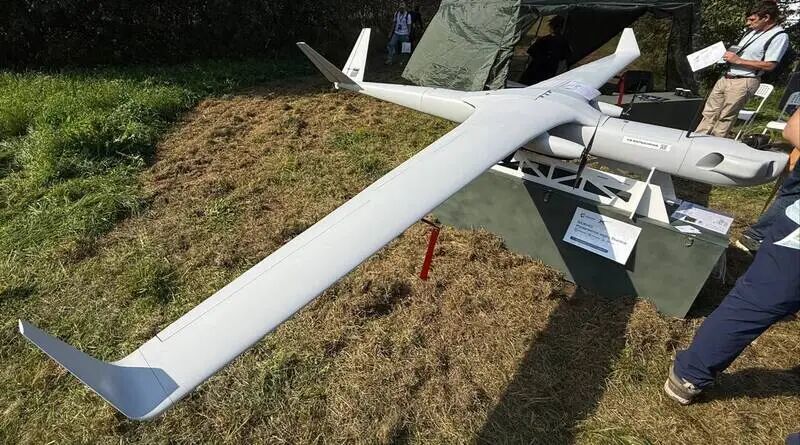
How Turkey Captured 65% of the Global Drone Export Market — And What It Means for China

In recent years, Turkey has rapidly emerged as a global powerhouse in the export of unmanned aerial vehicles (UAVs), disrupting a market once dominated by the United States, Israel, and China. According to Selçuk Bayraktar, chairman of Baykar, Turkey now controls 65% of the global UAV export market, with Baykar alone contributing 60% of that share. Over 90% of Baykar’s revenue comes from international sales, a figure that highlights both the company’s global reach and the growing demand for Turkish drones.

This transformation represents more than just a commercial success story — it reflects a strategic realignment in global defense supply chains, shaped by cost-effectiveness, geopolitical alliances, and shifting regulatory landscapes.


Baykar and the Bayraktar Effect

At the center of Turkey’s UAV dominance is Baykar, the developer of the now-iconic Bayraktar TB2 and the more advanced TB3. These drones have redefined the economics of modern warfare:

  • Cost-effectiveness: A single TB2 system costs a fraction of U.S. or Israeli alternatives, enabling countries with limited budgets to build sizeable fleets.

  • Proven combat performance: From the 2020 Nagorno-Karabakh conflict to operations in Ukraine and Libya, TB2s have demonstrated exceptional reliability and precision, making them “battle-tested” assets.

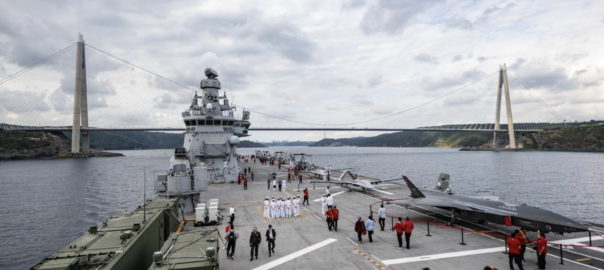
  • Technological milestones: The Bayraktar TB3 became the world’s first drone capable of short-runway carrier-based operations, completing 170 successful automatic take-offs and landings.

Baykar’s dominance is not accidental. Strategic partnerships with Turkey’s defense ecosystem — notably Roketsan, Aselsan, and TUBITAK — have accelerated innovation, while a deliberate focus on modular designs and export-friendly technology has enabled flexibility across diverse operational environments.

Bayraktar-TB3

Baykar’s Bayraktar TB3 UAV has become the world’s first drone capable of successfully taking off and landing on short-runway naval vessels, completing 170 automatic take-off and landing tests and demonstrating outstanding performance under various weather conditions.


Turkey’s Rise in Central Asia and Beyond

One of the most critical battlegrounds for UAV exports is Central Asia, where Turkey’s market share has surged due to a combination of smart pricing, real-world performance, and “drone diplomacy.”

1. Cost-Performance Leadership

For countries like Kazakhstan, Kyrgyzstan, and Turkmenistan, Turkish drones offer 80% of the capabilities of high-end Western systems at less than 30% of the cost. In scenarios where large drone fleets are more valuable than a handful of expensive platforms, TB2s dominate procurement decisions.

2. Combat-Proven Reliability

The TB2’s performance during the Nagorno-Karabakh conflict was a turning point. The success of Azerbaijan’s forces in neutralizing Armenian armor and air defenses validated Turkish drones as effective tools for asymmetric warfare, triggering a cascade of procurement deals across Central Asia.

3. Customization and Technology Transfer

Turkey differentiates itself by offering flexible cooperation models:

  • Kazakhstan secured a local Anka-S production line, ensuring technological sovereignty.

  • The UAE received customized TB2 units equipped with region-specific munitions.

  • Kyrgyzstan’s military procurement accelerated after demonstrations of TB2’s battlefield capabilities.

4. Drone Diplomacy

Shared cultural and historical ties between Turkey and Turkic-speaking Central Asian states amplify its soft power. By combining economic deals with defense exports, Ankara positions itself as a strategic partner rather than merely a supplier, gaining long-term influence in the region.


China’s Regulatory Challenge: Losing the Lead

For years, China’s “Wing Loong” and “CH” (Caihong) series drones competed head-to-head with Bayraktar platforms in the global UAV market. However, tightened export controls introduced since mid-2023 have started to limit China’s reach — particularly in sensitive regions like the Middle East, Central Asia, and Eastern Europe.

Impact of China’s Export Controls

  • Export licensing complexity: Many Chinese UAVs above certain specifications now require special export permits, leading to longer lead times and higher administrative costs.

  • Restricted sales to conflict zones: Regulations increasingly restrict direct sales to countries involved in ongoing conflicts, a segment where Turkish drones have thrived.

  • Geopolitical caution: Concerns over U.S. sanctions and diplomatic friction discourage some Chinese manufacturers from entering politically sensitive markets.

The result? Turkey capitalized on gaps left by China, offering drones without the same licensing constraints, while delivering proven combat systems at competitive prices.


The Shifting Competitive Landscape

Turkey’s dominance doesn’t come without challenges, but its trajectory is clear:

Country Market Position Key Strengths Limitations
Turkey Market leader (65%) Cost-effective, combat-proven, export-friendly Production capacity constraints
China Strong potential but declining in exports Advanced technology, high payload options Regulatory hurdles, political constraints
USA High-end niche Superior tech, stealth, ISR systems High cost, ITAR restrictions
Israel Legacy player Mature technology, intelligence-driven designs Limited regional influence in Muslim-majority countries
Iran Low-cost disruptor Affordable suicide drones Inferior tech, limited global reputation
Russia Traditional influence Regional military ties Lagging UAV innovation, sanctions impact

What This Means for the Future

  1. Turkey is setting the export standard:
    Baykar’s ability to combine affordability, operational success, and flexible diplomacy positions Turkey as the default supplier for mid-tier defense buyers.

  2. China must balance control and competitiveness:
    If Chinese export controls remain rigid, markets like Central Asia, Africa, and Eastern Europe will increasingly shift toward Turkish and Iranian suppliers.

  3. The next frontier: UAV technology convergence:
    Turkey’s KIZILELMA stealth UAV and China’s Wing Loong-X highlight the race to integrate AI autonomy, swarming capabilities, and carrier-based operations. The winner will dominate not just exports, but future warfare paradigms.

How the UAV Export Landscape Is Changing

The global UAV export market is undergoing a profound power shift. Turkey, through Baykar’s leadership, has seized a 65% share, fueled by cost-effective platforms, battlefield credibility, and strategic diplomacy. In contrast, China’s tighter export controls risk eroding its once-dominant position, particularly in emerging conflict-driven markets.

For international buyers, the UAV landscape now represents a choice between accessibility and sophistication: Turkish systems dominate mid-range operational needs, while Chinese and U.S. platforms cater to the high-end spectrum.

At SKYEYEUAV, we believe this evolving ecosystem creates both opportunities and challenges for UAV manufacturers and operators. As regulatory landscapes shift and technological innovation accelerates, agility in adapting to new export realities will define the next decade of UAV leadership.

25Aug/25

Top 10 eVTOL Industry Highlights of H1 2025

The year 2025 is widely regarded as the “first year of commercial eVTOL aviation”. Over the past six months, the industry has witnessed rapid advances in technological breakthroughs, regulatory milestones, and market expansion.

China, in particular, has demonstrated global leadership potential in areas such as airworthiness certification, scenario innovation, and supply chain maturity. Meanwhile, the reshaping of the international competitive landscape has opened up strategic opportunities for Chinese enterprises.

This article summarizes the Top 10 events from the first half of 2025 that are shaping the global eVTOL industry, providing valuable insights for professionals and stakeholders looking to identify structural opportunities and emerging challenges.


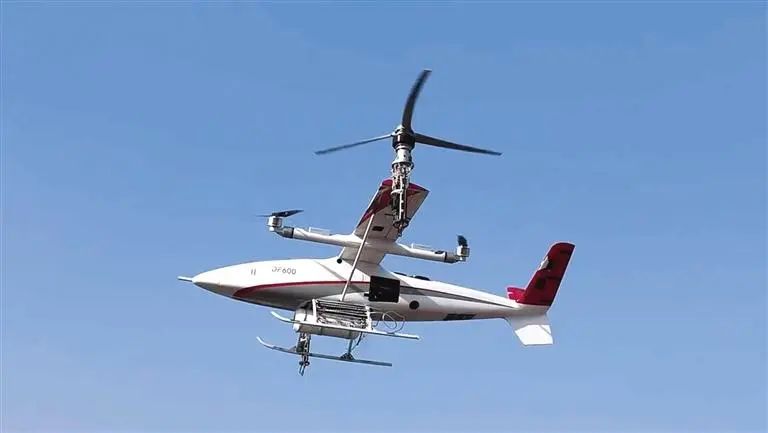
1. World’s First One-Ton Liquid Hydrogen Hybrid eVTOL Successfully Test-Flies

On January 9, China’s first 1-ton hybrid tiltrotor eVTOL powered by liquid hydrogen fuel cells completed its maiden test flight.

This marked the world’s first successful test flight of a ton-class hydrogen-powered hybrid tiltrotor eVTOL and the first application of a large-scale air-cooled hydrogen fuel cell system on a large aircraft.

This breakthrough addresses several long-standing technological bottlenecks, demonstrating the potential for clean energy applications in heavy-duty aviation. Leveraging liquid hydrogen technologies, policy support, and innovative use cases, China has positioned itself for a potential “leapfrog” in the low-altitude economy.

On January 9, China’s first 1-ton hybrid tiltrotor eVTOL powered by liquid hydrogen fuel cells completed its maiden test flight.


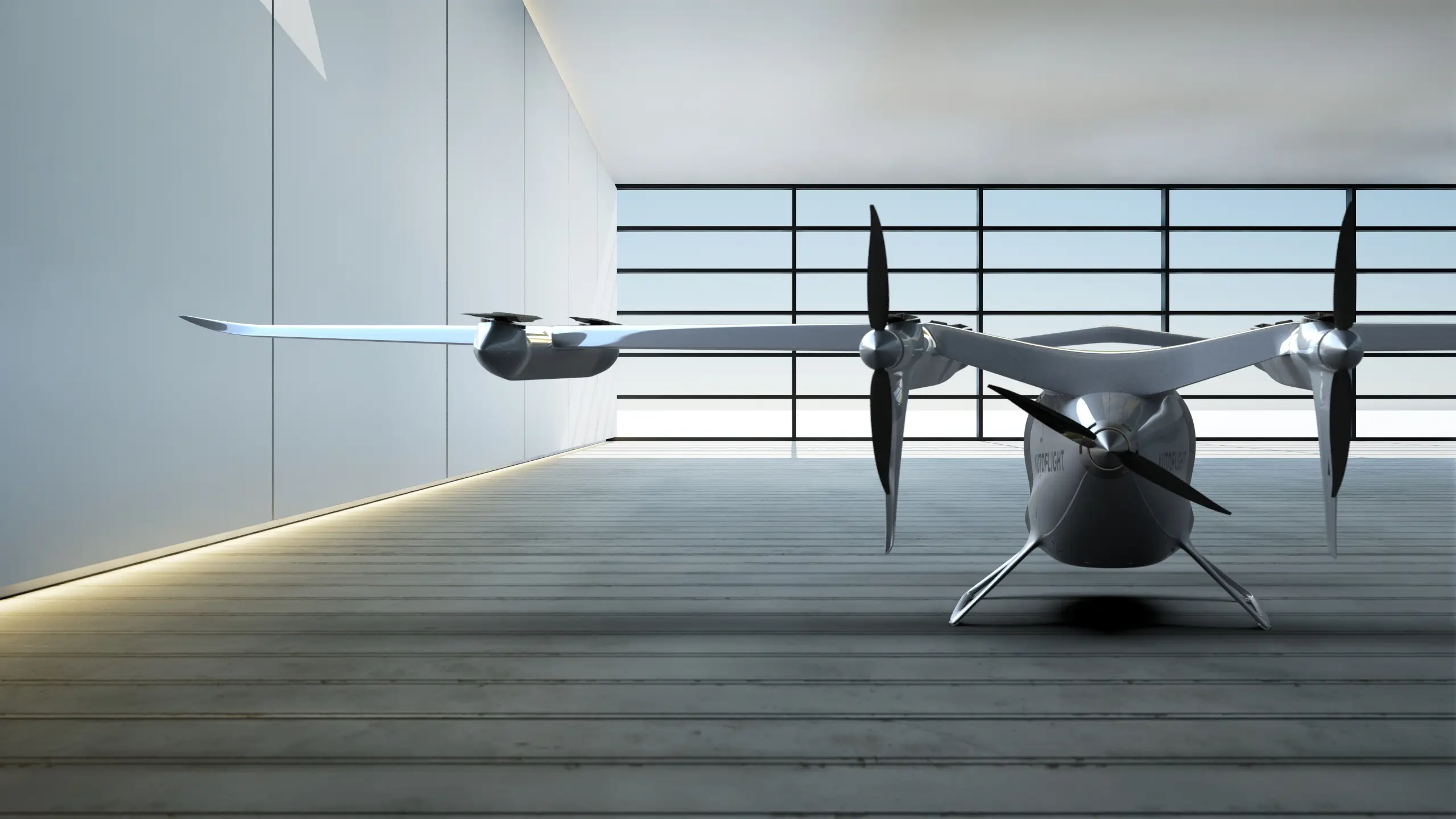
2. Autoflight V2000CG Wins World’s First eVTOL Production Certificate

In January, the East China Regional Administration of the CAAC awarded Autoflight the world’s first production certificate for the V2000CG, a 2-ton-class unmanned eVTOL system.

With certification secured, Autoflight plans to scale production capacity from 200 units per year in 2025 to 1,200 units per year by 2027.

This milestone reflects more than just corporate capability; it symbolizes China’s growing role as a global eVTOL rule-maker. The V2000CG is expected to become the “airborne freight truck” of future low-altitude logistics, bridging the gap between concept and commercialization.

Autoflight was awarded the world’s first production certificate for the V2000CG, a 2-ton-class unmanned eVTOL system.

Autoflight was awarded the world’s first production certificate for the V2000CG, a 2-ton-class unmanned eVTOL system.


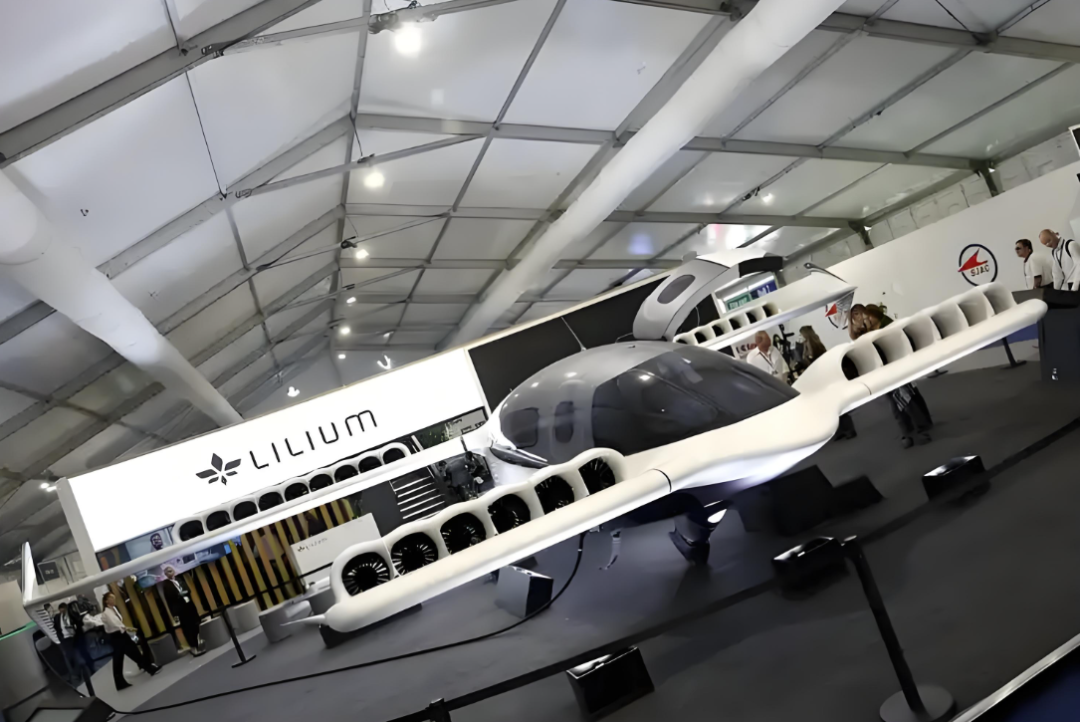
3. Germany’s Lilium Declares Bankruptcy Again — A Cautionary Tale

In early February, German eVTOL pioneer Lilium filed for bankruptcy for the second time within six months.

Despite being once hailed as a market leader, Lilium faced failed financing rounds, frozen accounts, labor disputes, and unpaid wages, ultimately succumbing to commercial pressures.

This collapse underscores a critical lesson for the industry: technological idealism must be balanced with commercial pragmatism. Overly aggressive designs prioritizing range and speed without mature technology can lead to unsustainable business models.

In early February, German eVTOL pioneer Lilium filed for bankruptcy for the second time within six months.


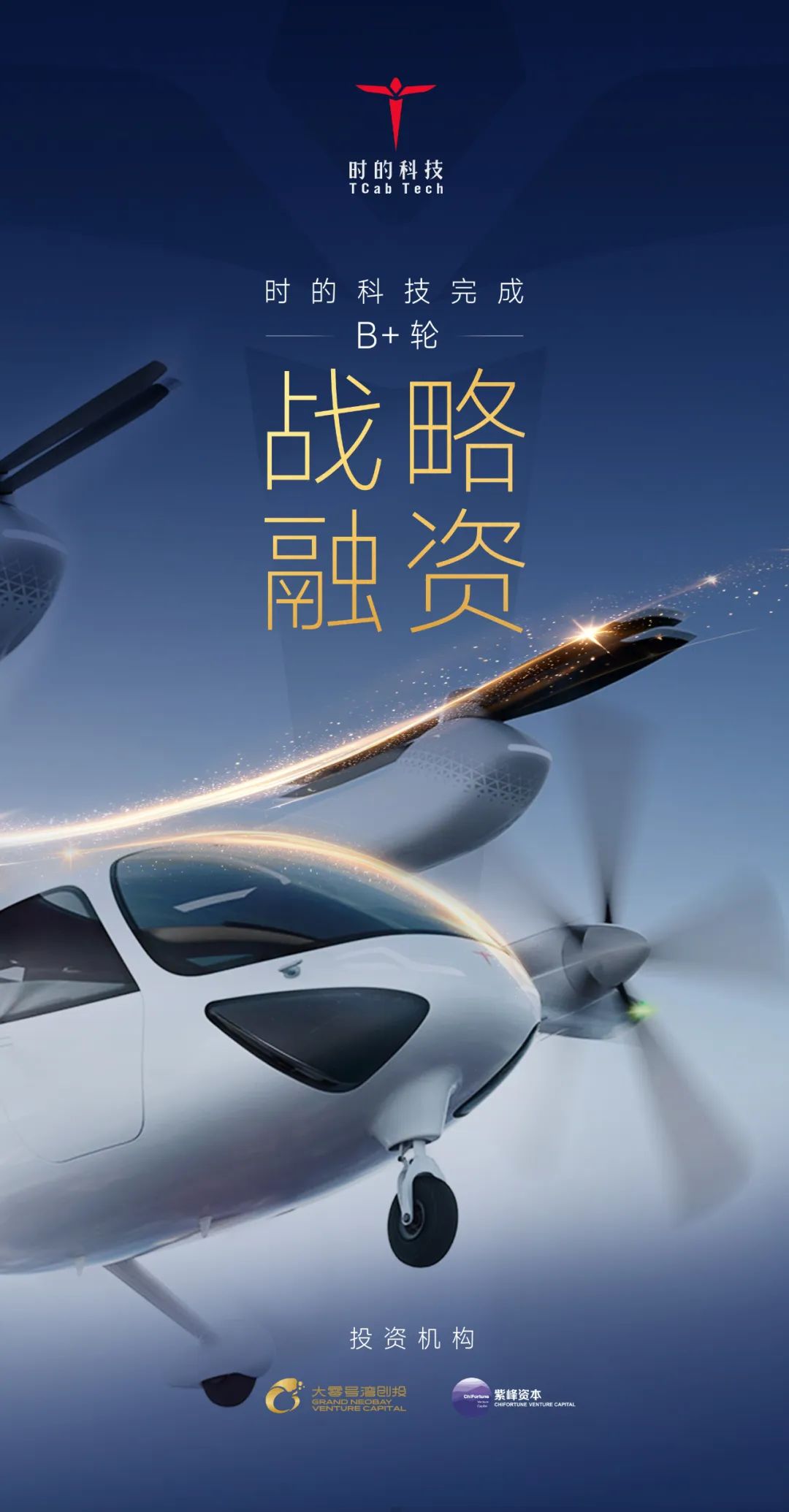
4. Shanghai’s Direct Investment in Tcab Tech Signals Local Commitment

In March, Tcab Tech completed its B+ funding round led by Shanghai Zero Bay Venture Capital and Zifeng Capital, bringing total financing to USD 100 million.

This marks the first direct state-owned investment in a complete eVTOL program since the release of Shanghai’s Low-Altitude Economic Development Action Plan (2024–2027).

Shanghai’s strategic focus on low-altitude tourism and intercity travel demonstrates growing government commitment to accelerating eVTOL commercialization and positioning the Yangtze River Delta region as a hub for next-generation aviation.

Tcab Tech Susccessfully completed its B+ funding

Tcab Tech Susccessfully completed its B+ funding


5. Wanfeng Auto Acquires Volocopter Assets — A “Global Tech + China Manufacturing” Strategy

In March, Wanfeng Auto Holding Group completed its acquisition of Volocopter GmbH’s key assets, including intellectual property, contracts, and manufacturing infrastructure.

By combining Volocopter’s certification expertise, Diamond Aircraft’s production capabilities, and Wanfeng’s extensive supply chain, the company aims to create a unique global competitive advantage that integrates European innovation with Chinese manufacturing power.

In March, Wanfeng Auto Holding Group completed its acquisition of Volocopter GmbH’s key assets, including intellectual property, contracts, and manufacturing infrastructure.

In March, Wanfeng Auto Holding Group completed its acquisition of Volocopter GmbH’s key assets, including intellectual property, contracts, and manufacturing infrastructure.


6. MIIT Releases Aviation Roadmap, Defining eVTOL’s Development Path

On March 27, China’s Ministry of Industry and Information Technology (MIIT) published the “Implementation Plan for Innovative Applications of General Aviation Equipment (2024–2030)”, outlining a clear roadmap for the sector.

By 2027, eVTOL-based applications are expected to achieve full commercialization across urban air mobility, logistics, and emergency response.

The plan also emphasizes regional demonstration projects in the Yangtze River Delta and Greater Bay Area, underscoring China’s strategic ambition to lead global low-altitude transportation innovation.


7. UASE Drone Expo Emerges as a Global Low-Altitude Economy Hub

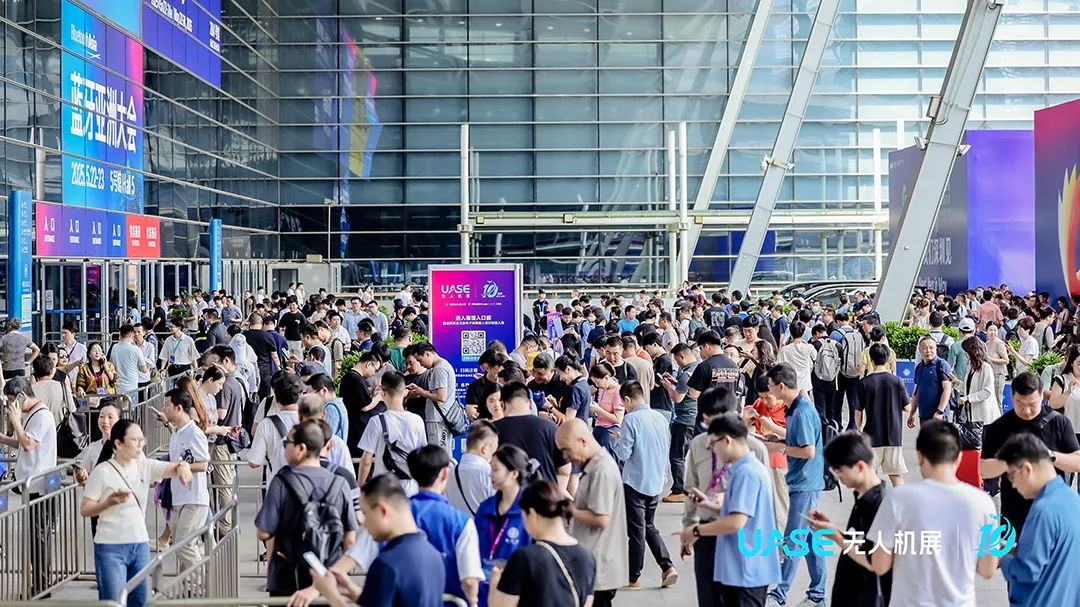
From May 23–25, the 9th World Drone Congress & International Low-Altitude Economy Expo (UASE) took place in Shenzhen, attracting over 287,000 visitors, including 15,000+ international attendees.

From eVTOL aircraft and UAV platforms to AI-driven ground services and integrated low-altitude ecosystems, the expo showcased cutting-edge technologies and real-world applications, becoming a global benchmark for low-altitude economy development.

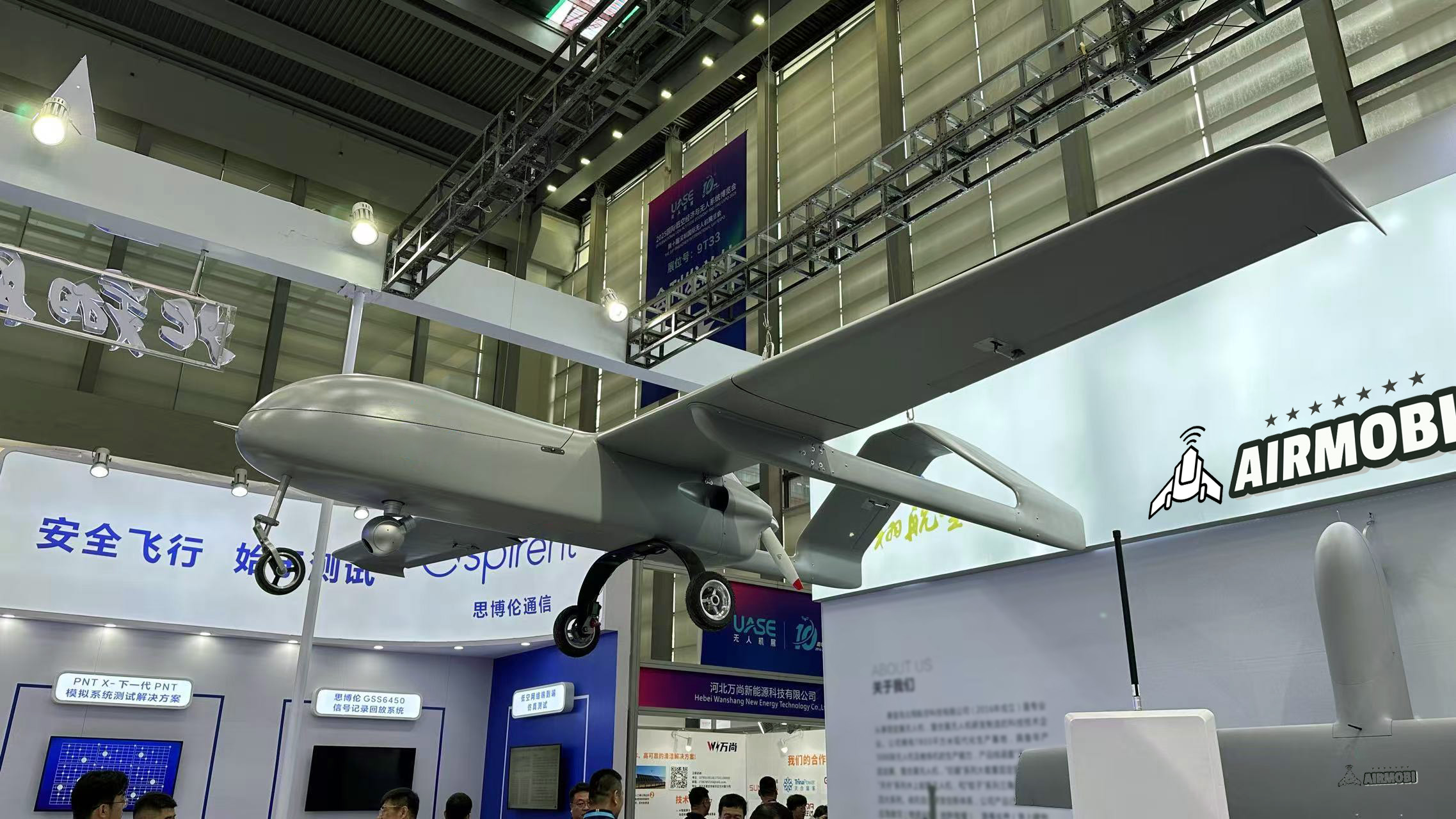
Skyeye 5000 on the 2025 Shenzhen UAV Expo

As a leading provider of long-endurance VTOL UAVs and communication systems, SKYEYEUAV leveraged the UASE platform to network with partners worldwide and explore collaborations on next-generation aerial logistics solutions.


8. Toyota Invests $250M in Joby Aviation, Accelerating Urban Air Mobility

In May, Toyota invested USD 250 million into U.S.-based Joby Aviation as part of an $894 million strategic partnership agreement signed in 2024.

The funds will support FAA certification and mass production of Joby’s five-seat eVTOL aircraft.

By combining Toyota’s automotive manufacturing expertise with Joby’s aviation technologies, the partnership is accelerating the convergence of automotive and aerospace sectors, reshaping urban air mobility’s commercialization pathway.

In May, Toyota invested USD 250 million into U.S.-based Joby Aviation as part of an $894 million strategic partnership agreement signed in 2024.

In May, Toyota invested USD 250 million into U.S.-based Joby Aviation as part of an $894 million strategic partnership agreement signed in 2024.


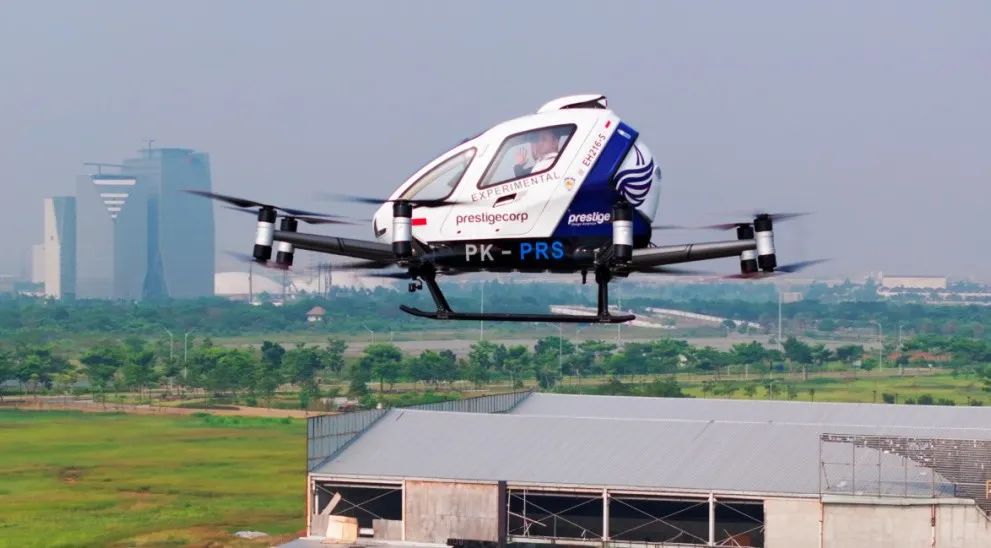
9. EHang EH216-S Achieves First Passenger Flight in Indonesia

In June, EHang announced the first passenger-carrying flight of its EH216-S autonomous eVTOL in Indonesia.

This achievement represents a major step toward building localized aerial mobility ecosystems in Southeast Asia. By addressing critical traffic demands and promoting green mobility, Chinese eVTOL companies are exporting both technology and ecosystem expertise to international markets.

In June, EHang announced the first passenger-carrying flight of its EH216-S autonomous eVTOL in Indonesia.

In June, EHang announced the first passenger-carrying flight of its EH216-S autonomous eVTOL in Indonesia.


10. U.S. Forms Five-Nation Alliance, Redefining Global eVTOL Certification Standards

Also in June, the United States joined forces with the U.K., Australia, Canada, and New Zealand to establish a joint alliance aimed at streamlining eVTOL certification across participating nations.

While this move introduces technical, regulatory, and market-access challenges for Chinese companies, it also offers an opportunity: by aligning Chinese airworthiness standards with international frameworks, China can accelerate industry upgrades and expand its global influence.


Outlook for H2 2025: Scaling Commercialization

The global eVTOL industry is entering a high-growth phase, driven by rapid technological innovation, regulatory support, and market demand.

Key variables for the second half of 2025 will include:

  • Airworthiness certification progress

  • Infrastructure deployment for low-altitude operations

  • Extended-range hybrid solutions overcoming endurance limitations

As a pioneer in industrial UAV platforms and long-range communication systems, SKYEYEUAV remains committed to enabling the next generation of aerial logistics and low-altitude economy ecosystems.

19Aug/25

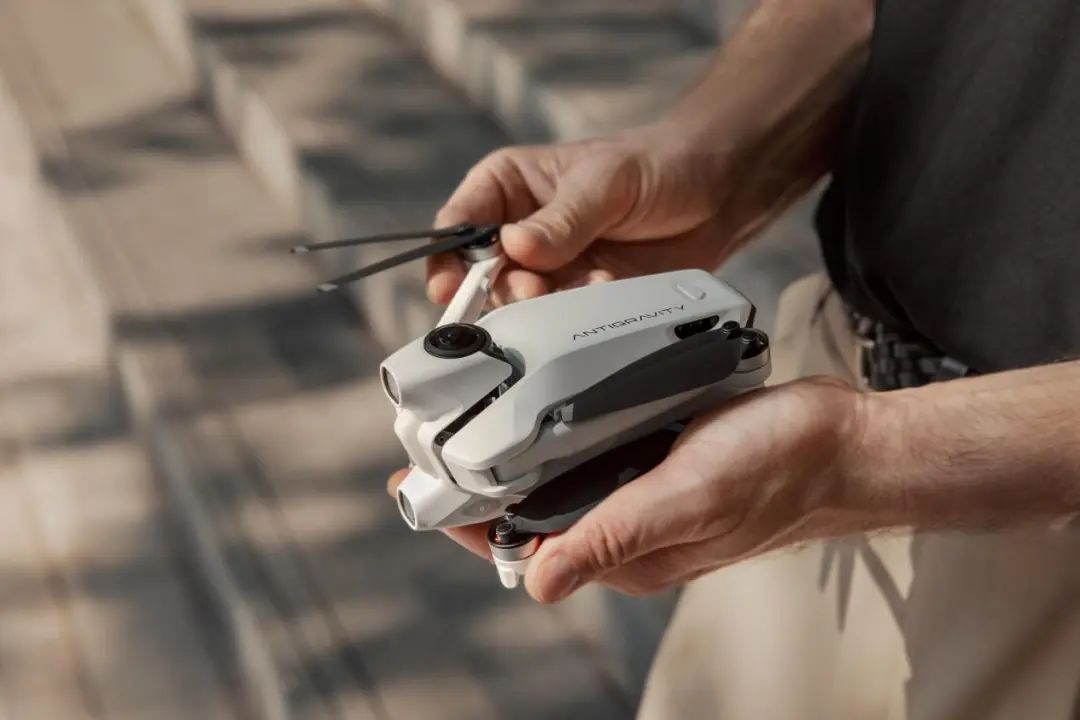
INSTA360 Launches Antigravity A1: The World’s First Panoramic Drone

On August 14, INSTA360 officially unveiled its first panoramic drone, the Antigravity A1, and announced the start of global public testing.

Breaking the Boundaries of Aerial Photography

As the world’s first panoramic drone, the Antigravity A1 completely breaks free from the limitations of traditional drones that rely on a single front-facing camera. Featuring an innovative dual-lens panoramic design and 360-degree image stitching technology, the A1 achieves true “invisibility” in flight, capturing every angle of the sky in one seamless shot.

With this breakthrough, users can collect complete aerial footage in a single flight. Post-production becomes effortless: through the INSTA360 mobile app or desktop software, footage can be reframed, cropped, and exported in horizontal or vertical formats without losing quality. This “fly first, frame later” workflow eliminates the need for repeated flights and complicated repositioning, perfectly matching the diverse content demands of TikTok, Instagram, YouTube, and other platforms.

Portable, Foldable, and Safe

The Antigravity A1 combines high performance with portability. Weighing just 249g, the foldable body is travel-friendly yet powerful. Its vision-based obstacle avoidance system ensures safe operation in complex environments, while the automatic landing gear retracts during flight and deploys on landing to protect the panoramic lenses.

To safeguard user experience, the drone also includes a payload detection system that prevents unauthorized modifications, keeping flights safe, compliant, and focused on exploration and creativity.

Insta360-Antigravity-A1

Immersive 360° FPV with Vision Goggles

To maximize immersion, INSTA360 designed the Vision Flight Goggles specifically for the A1. Powered by a proprietary 360-degree panoramic transmission system, the goggles allow users to move their heads freely for a fully panoramic field of view—while the drone continues its stable forward flight.

An external display feature enhances the experience, enabling friends or teammates to share in the excitement of soaring over cliffs or chasing sunsets, making aerial adventures more engaging than ever.

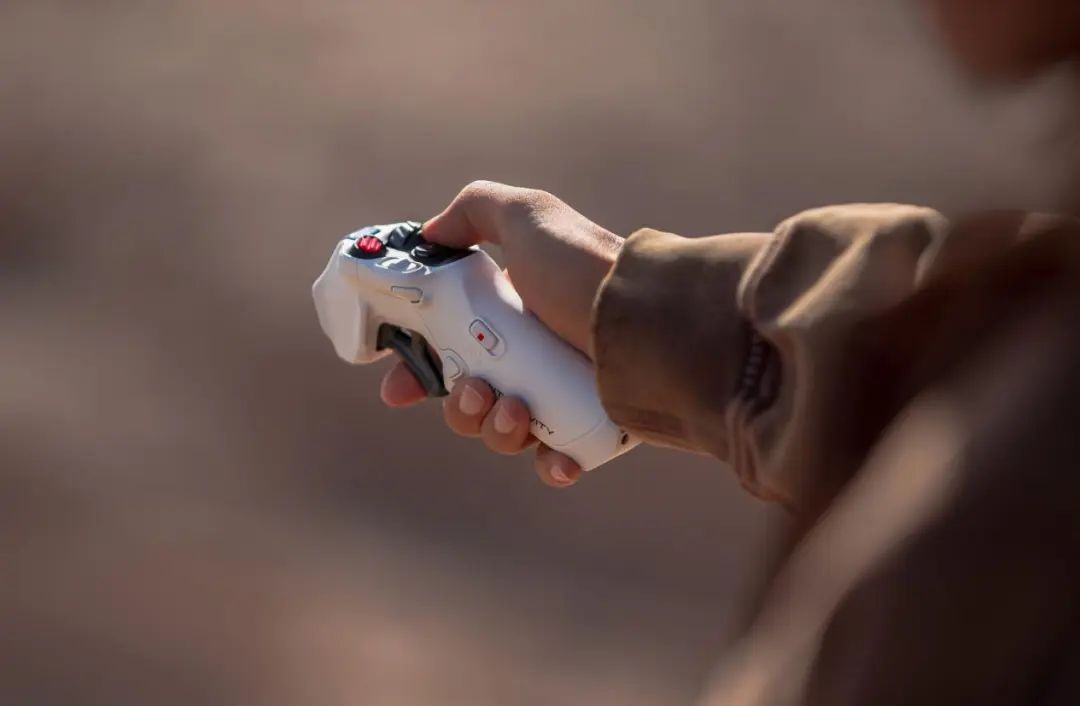
A New Way to Fly: Grip Motion Controller

The A1 also revolutionizes control. Its Grip motion controller replaces traditional joysticks and complex commands. Simply point the controller where you want to go, and the drone responds instantly—“point to fly”.

This intuitive control system lowers the learning curve dramatically, allowing beginners to master flight within minutes while giving professionals a precise, natural way to command the aircraft.

Solving Longstanding Market Challenges

For nearly two decades, consumer drones have advanced in areas such as sensors, endurance, video transmission, and obstacle avoidance. However, two pain points have remained:

  • Conventional wide-angle drones lack creative flexibility and immersion.

  • FPV racing drones offer thrilling footage but require complex, skill-heavy piloting.

The INSTA360 Antigravity A1 panoramic drone addresses both issues, offering immersive 360° imaging with intuitive controls. It is not just a professional tool—it is a new imaging platform for everyone, from beginners to content creators.

Global Testing and Future Vision

According to INSTA360, the Antigravity A1 is already in global public testing, and drone enthusiasts can apply for early access via the brand’s official website.

Going forward, INSTA360 plans to adopt a user-centric, co-creation approach, working with pilots worldwide to expand functions, create new applications, and unlock the full potential of panoramic aerial exploration.

Insta360-Antigravity-A1

03Jul/25

DJI FlyCart 100 Launch Highlights Growing Demand for Heavy-Lift Drones

DJI has unveiled its new flagship cargo drone FlyCart 100 (FC100), a heavy-lift UAV priced at ¥89,999 (approximately $12,000 USD). This release marks a significant leap in low-altitude transport drones, offering unprecedented payload capacity and smart features. The FlyCart 100 is designed to carry up to 80 kg of cargo, making it a game-changer for industries like power line maintenance, emergency rescue, construction, and logistics. Below we break down what makes the DJI FlyCart 100 special, and we also introduce how SkyeyeUAV’s own heavy-lift drones – such as the V35, Skyeye 5000 VTOL, and VT510 – can serve similar needs in professional applications.

Heavy Payload and Robust Design

The DJI FlyCart 100 boasts an 80 kg maximum payload with a robust build to handle tough environments. It features a 4-axis, 8-rotor design with 62-inch carbon fiber propellers that provide high thrust while minimizing vibration for stability. Thanks to a coaxial dual-prop setup, the drone can generate up to 82 kg of thrust per axis, enabling heavy loads to be lifted with confidence.

This industrial drone is engineered for reliability. Its airframe is rated IP55 for water and dust resistance, so it can handle light rain and harsh dusty conditions. The FC100 is also built to operate in extreme temperatures from -20°C to 40°C (-4°F to 104°F) and at high altitudes up to 6,000 m. With wind resistance up to 12 m/s, it can fly steadily even in gusty mountain areas or coastal zones, ensuring missions aren’t limited by weather. Such durability means the FlyCart 100 is ready for all-terrain, all-weather operations, whether on high plateaus, over open water, or through urban canyons.

Flexible Power Options and Range

To accommodate different mission profiles, the FlyCart 100 supports single-battery and dual-battery modes. In single-battery mode, it can lift the full 80 kg payload for up to 6 km of flight – ideal for short-range deliveries of very heavy items. In dual-battery mode (using two batteries simultaneously), it carries up to 65 kg but extends its range to 12 km, doubling the distance for slightly lighter loads. With no payload, the drone can fly as far as 26 km on a charge, showcasing excellent endurance for survey or patrol tasks.

Each smart battery packs 41,000 mAh (41 Ah) of capacity and supports fast charging – up to 90% charge in just 9 minutes with the high-power charging station. The batteries are hot-swappable and even equipped with self-heating, meaning the drone can operate continuously in cold environments by swapping batteries without power-down, and it can keep functioning in sub-zero temperatures by warming its power packs. This robust power system ensures minimal downtime during critical operations like search-and-rescue or urgent deliveries.

Dual Payload Systems for Versatile Lifting

One innovative aspect of DJI’s new drone is its dual payload attachment systems, catering to different transport needs:

  • Flagship Hoist System: A motorized winch with a 30-meter retractable cable and an electric hook. This system allows the FlyCart 100 to hover and lower cargo to the ground safely. It includes real-time weight sensing (so the drone knows the payload weight automatically) and an automatic sway-reduction algorithm to steady swinging loads. The powered hook can open and release payload autonomously, which is especially useful for precision deliveries in hard-to-reach places. For example, in emergency rescue missions, the drone can air-drop relief supplies at night with integrated loudspeaker alerts and flashing lights to safely warn anyone below when a package is being released.

  • Dual-Battery Fixed Mount: A simplified mount that comes with a 10-meter fixed rope for carrying cargo when using two batteries. This setup is lighter and maximizes flight time. It’s ideal for situations where you can land or manually unload the cargo at the destination (for instance, routine logistics runs or engineering material transport between sites). The fixed rope system still supports real-time weight monitoring, and it offers a more flexible, budget-friendly option for users who might not need the full automatic winch features.

DJI FC100

DJI FC100

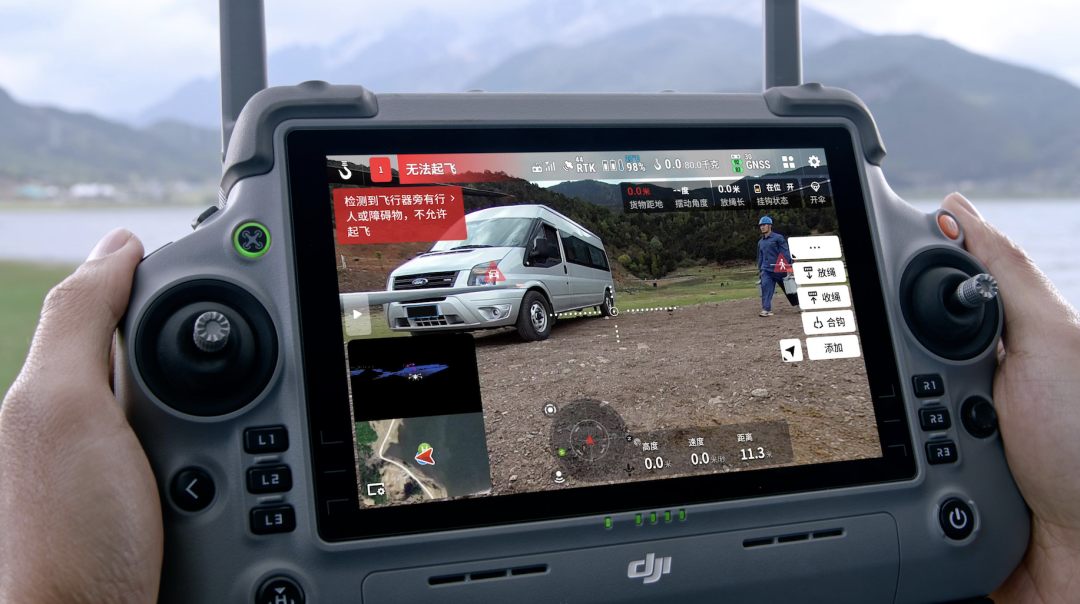
The new DJI RC Plus 2 remote controller accompanies the FC100 and is built for professionals. It features a large 7-inch, 1400-nit high-brightness screen, so even under intense sunlight the pilot has a clear view of the drone’s camera feeds and telemetry.

The new DJI RC Plus 2 remote controller accompanies the FC100 and is built for professionals. It features a large 7-inch, 1400-nit high-brightness screen, so even under intense sunlight the pilot has a clear view of the drone’s camera feeds and telemetry.

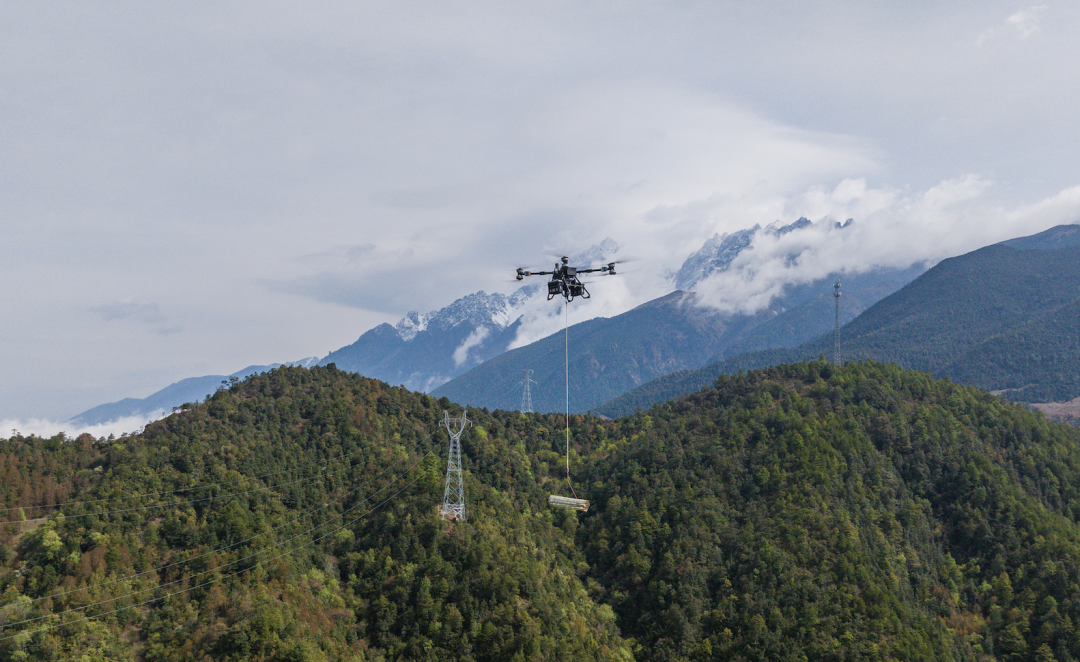
The FlyCart 100 is designed to carry up to 80 kg of cargo

The FlyCart 100 is designed to carry up to 80 kg of cargo

FlyCart 100 has a PSDK E-Port (Enterprise Port) Lite with up to 3000W power output available for custom payloads

By offering two payload systems, DJI ensures the FC100 can tackle a range of jobs – from automatically winching equipment across a ravine to simply hauling a load from point A to B with maximum efficiency. Both systems benefit from the drone’s increased max takeoff weight of ~150 kg, which is about 60% higher than DJI’s previous model (the FlyCart 30), signaling a big step up in carrying capability.

Advanced Sensors and Safety Features

Safety and reliability are paramount for heavy-lift drones, and the FlyCart 100 doesn’t skimp here. It is equipped with a multi-tiered sensor suite and emergency systems to protect both the drone and the payload:

  • High-Precision LiDAR: A laser sensor that can capture up to 300,000 point cloud data points per second. This gives the drone a detailed 3D view of its surroundings, enabling it to detect even small obstacles (like wires or tree branches) both day and night. In complex terrain such as forests or cluttered industrial sites, the LiDAR helps the FC100 avoid collisions by sensing obstacles that might be missed by cameras alone.

  • Millimeter-Wave Radars: Multiple radars provide 360-degree awareness, especially useful in low visibility conditions like fog, smoke, or heavy rain. They ensure the drone can sense large obstacles or terrain features in all directions, adding a redundant layer of safety beyond the LiDAR and visual cameras.

  • Fisheye Camera Vision System: A set of five wide-angle (fisheye) cameras give the pilot views to the front, rear, left, right, and below the drone. This not only aids manual navigation but also feeds the drone’s onboard AI for obstacle recognition. The system can automatically warn of or even autonomously brake for obstacles, providing intelligent obstacle avoidance when the drone is flying near structures or uneven terrain.

  • Enhanced Night Operations: To tackle night missions, the FlyCart 100 includes a powerful forward-facing spotlight and downward floodlights. These illuminate the flight path and the drop zone during night deliveries. Additionally, the drone has audible and visual alert signals (like a siren or beeper and strobe lights) that can trigger when it’s descending with a load or deploying the winch – a critical safety feature to alert nearby personnel during night-time or low-visibility drops.

Perhaps the most critical safety feature is the integrated ballistic parachute system. In the rare event of a serious malfunction or power failure, the drone will automatically cut power to its rotors and deploy a parachute. This high-performance parachute has its own independent battery and undergoes an automatic self-check on startup to ensure readiness. It can reliably deploy if the drone is above 100 meters altitude (even at full 150 kg takeoff weight), slowing the descent to under 6 m/s. This greatly reduces the impact energy, protecting people on the ground as well as the drone and cargo. The parachute system, combined with DJI’s intelligent flight controller redundancies and self-stabilization algorithms, provides a last line of defense that makes operating such a large drone much safer.

Long-Range Control and Software Integration

Controlling a heavy-lift drone over long distances is made easier with DJI’s upgraded O4 transmission system on the FlyCart 100. This offers up to 20 km of control range with a stable live video feed, so operators can remotely monitor flights far beyond visual line of sight. For even greater coverage or in areas with obstacles like mountains, DJI provides optional connectivity add-ons: a 4G cellular module that can seamlessly switch to mobile networks if the direct radio link weakens, and a D-RTK 2 base station that can act as a relay to maintain a solid connection in GPS-denied or radio-blocked environments. These ensure that even in challenging scenarios – for example, flying behind a rocky hill or in a dense urban area – the drone can stay linked to its pilot or control center.

The new DJI RC Plus 2 remote controller accompanies the FC100 and is built for professionals. It features a large 7-inch, 1400-nit high-brightness screen, so even under intense sunlight the pilot has a clear view of the drone’s camera feeds and telemetry. The controller is IP54-rated for dust and rain protection, and it works in temperatures from -20°C to 50°C, meaning it won’t shut down in extreme heat or cold. An important capability for complex operations is dual-operator mode: two controllers can coordinate on one drone, allowing one pilot to handle the aircraft’s flight while another controls the payload or camera. This improves precision and safety for tricky missions like threading a load into a tight space or while flying near power lines.

On the software side, DJI introduced the Delivery App and cloud platform to streamline cargo drone missions. The DJI Delivery App (used on the controller) provides a simplified interface tailored for transport tasks – including features like AR overlays for loading and unloading point guidance, multi-angle camera views for situational awareness, and one-tap automated functions for common actions (like dropping a package or returning home). Meanwhile, DJI’s “Siyun” Delivery Cloud platform (a one-stop cloud management system) allows fleet operators to plan missions, manage multiple drones and crews, and track real-time flight status and cargo information remotely. It supports AR route planning, real-time team coordination, and even data analysis for optimizing operations. Additionally, the FlyCart 100 opens up integration for developers: it has a PSDK E-Port (Enterprise Port) Lite with up to 3000W power output available for custom payloads, and supports a new Cloud API 2.0 for direct cloud-to-cloud integration. This means companies can plug the drone into their own logistics or dispatch systems, or attach specialized equipment (like sensors or delivery containers) to expand its functionality.

Transforming Industry: Use Cases for Heavy-Lift Drones

DJI’s FlyCart 100 is poised to reshape how various industries handle transport and field operations. Its combination of heavy payload and intelligent flight opens up scenarios that were previously impractical or impossible with smaller drones or ground vehicles:

  • Power Grid Maintenance: In the electric utility sector, crews often need to transport tools and components to the tops of transmission towers on remote mountains or across rivers. The FC100 can carry bulky items like insulators, bolts, or even medium-sized equipment (e.g., a lightning rod assembly) directly to high-altitude work sites. This eliminates the need for risky human climbing or expensive helicopters, dramatically speeding up power line construction and repair projects. The previous generation FlyCart already delivered items like insulation clamps; now with 80kg capacity, larger parts can be airlifted in one trip, optimizing efficiency for powerline installation and maintenance.

  • Construction and Engineering: Remote construction sites, such as mountain communication towers, hilltop construction projects, or offshore platforms, often struggle with delivering supplies. The FlyCart 100 can move not just buckets of concrete or sacks of sand, but even small machinery or generators weighing dozens of kilograms. With its extended range in dual-battery mode, a single flight can haul materials or tools across 10+ km of rugged terrain. This capability transforms logistics for construction, replacing labor-intensive manual hauling or costly ground vehicle transport. For example, rather than hiring a team to carry parts through a dense forest for hours, a drone can drop them in minutes.

  • Emergency Rescue & Relief: After natural disasters like earthquakes, landslides, or floods, roads are often cut off. Heavy-lift drones become lifesavers by delivering emergency supplies (food, water, medicine) to stranded communities when trucks or helicopters can’t get there. The FlyCart 100’s all-direction obstacle sensing and stable hover with winch allow it to navigate debris-filled areas and lower relief packages precisely to where responders need them. It can also transport medical equipment (like defibrillators, first aid kits) or even assist in evacuating critical tools (e.g., ropes, inflatable boats) into isolated zones. All of this can be done while keeping human rescuers out of harm’s way and saving precious time during the golden hours of disaster response.

The common theme across these examples is that heavy-lift drones like the DJI FC100 expand the boundaries of what drones can do. They fill a niche between smaller hobbyist drones and full-sized crewed helicopters, offering a cost-effective, rapid-response solution for difficult transport challenges. By taking to the lower skies (<150m altitude) with high payloads, they are giving rise to a new “low-altitude logistics” ecosystem that can operate independently of traditional infrastructure.

SkyeyeUAV’s Heavy-Lift Drone Solutions

The excitement around DJI’s FlyCart 100 highlights how crucial heavy-lift drones have become. At SkyeyeUAV, we have been focused on this arena as well – developing and providing heavy-payload, long-range UAVs that address a variety of industrial needs. If the FlyCart 100 has sparked your interest in what cargo drones can do, you’ll be interested to know that SkyeyeUAV offers its own lineup of heavy-lift drones with impressive capabilities:

  • SkyeyeUAV V35 VTOL UAV (10kg Payload, Long Endurance): The SkyeyeUAV V35 VTOL UAV is a vertical takeoff and landing fixed-wing drone known for its balance of payload and endurance. It can carry up to 10 kg of equipment and fly for 90 minutes with that load (and up to nearly 3 hours with lighter payloads). With a 3.5 m wingspan, the V35 merges the flexibility of multirotors (no runway needed) with the efficiency of a fixed-wing aircraft. This platform is ideal for tasks like aerial surveying, mapping, and medium-range delivery where a combination of decent payload and long flight time is required. (For example, the V35 can survey a large agricultural field carrying a multi-sensor camera, or deliver essential spare parts to a remote outpost miles away in one trip.) It’s a proven drone in our fleet, valued for its reliability and versatility.

  • Skyeye 5000 Octo VTOL UAV (15kg Payload, 8+ Hour Flight): For missions that demand both a heavier payload and ultra-long endurance, SkyeyeUAV offers the Skyeye 5000 Octo VTOL UAV. This is a hybrid drone with an octocopter configuration and a fixed-wing body (5 meter wingspan). It’s powered by a combination of electric motors and a fuel engine, giving it the ability to fly over 8 hours while carrying up to 15 kg of cargo or equipment. The Skyeye 5000 Octo’s 8-motor VTOL setup provides redundancy – it can still safely operate even if one motor fails – which is critical for high-value payloads and safety. This drone is well-suited for long-range surveillance, survey missions, and extended patrol or delivery routes. For instance, it can inspect a lengthy pipeline in a single flight or ferry medical supplies across a large rural region without needing to recharge or refuel frequently. Its carbon-fiber construction and advanced autopilot ensure stable performance in demanding conditions, very much aligning with the needs that DJI’s FlyCart is addressing in shorter-range scenarios.

  • Volitation VT510 Heavy-Load VTOL UAV (45kg Payload): If your operations require lifting truly heavy cargo over long distances, the Volitation VT510 is SkyeyeUAV’s answer. This is a tandem-wing VTOL drone designed for industrial-grade heavy loads. With a maximum payload of 45 kg, the VT510 can carry substantial equipment such as large sensors, construction materials, or multiple packages in one go. It has a dual-wing (tandem) design and robust tail-sitter propulsion, which allow it to maintain stability and efficiency even at its 100 kg takeoff weight. The VT510’s hybrid power system (option for gasoline or heavy-fuel engine alongside electric VTOL rotors) gives it endurance of up to 4–6 hours depending on load – quite remarkable for something lifting that much weight. In practice, this UAV excels in scenarios like large-scale mapping, cross-country cargo delivery, and military or humanitarian supply missions. It essentially brings airplane-like performance to the vertical takeoff realm, meaning you don’t need a runway to deploy a cargo aircraft. With quick assembly modules and a strong carbon fiber frame, the VT510 is built to be deployed in the field rapidly and operate reliably under tough conditions, much like DJI’s heavy lifter but with a focus on covering longer distances.

Each of these SkyeyeUAV drones illustrates a different approach to the heavy-lift challenge, and they complement the capabilities of drones like the DJI FlyCart 100. While the FlyCart 100 is a pure multi-rotor optimized for point-to-point transport in a local area, SkyeyeUAV’s VTOL fixed-wing platforms like the V35, Skyeye 5000, and VT510 are optimized for range and endurance with considerable payload. Depending on your project requirements – whether it’s hauling 80kg across a construction site or flying 50km to deliver 10kg of supplies – it’s clear that heavy-lift drones are becoming indispensable tools.

The debut of the DJI FlyCart 100 is a landmark moment in the drone industry, underlining how far unmanned aircraft technology has advanced for cargo and industrial applications. An 80-kg capacity drone that can intelligently avoid obstacles, drop loads with precision, and integrate into cloud management systems was unthinkable just a few years ago. This development not only expands what DJI’s ecosystem can do, but it also validates the work of companies like SkyeyeUAV that have been innovating in the heavy-lift and long-range UAV space.

As heavy-lift drones continue to revolutionize logistics, infrastructure maintenance, and emergency response, businesses and government agencies alike will find new opportunities to save time, cut costs, and improve safety by deploying these flying workhorses. Whether you’re inspired by DJI’s latest offering or looking for a tailored solution from SkyeyeUAV’s range of industrial UAV platforms, there has never been a better time to explore how high-payload drones can elevate your operations.

Interested in implementing drone transport for your organization? Feel free to contact SkyeyeUAV for expert advice on choosing the right heavy-lift drone solution for your needs. With the combined advancements seen in products like the DJI FlyCart 100 and our own SkyeyeUAV lineup, the era of drone-powered logistics and aerial work is truly taking off – delivering new possibilities across every sector.

02Jun/25

SkyeyeUAV Shines at the 2025 Shenzhen World Drone Expo

From May 23 to 25, the 2025 9th World Drone Congress and 10th Shenzhen International UAV Expo (UASE) was held at the Shenzhen Convention and Exhibition Center, drawing global attention as the leading event in the unmanned systems industry. Covering an expansive 66,000 square meters, the exhibition welcomed 825 exhibitors from around the world, including 16 overseas companies. Over 131,000 professional visitors attended the event, among them 6,041 international guests from 103 countries and regions — making it a truly international platform for innovation and collaboration in the low-altitude economy.

SKYEYEUAV took center stage at the event, showcasing its latest advancements in drone technology and reinforcing its position as a leader in the UAV industry.

Highlights of SkyeyeUAV’s Exhibit

Skyeye 5000 Fixed-Wing UAV Platform (Upgraded Version)

The newly upgraded Skyeye 5000 drew considerable attention for its exceptional performance in long-range missions. This 5-meter wingspan fixed-wing UAV platform is built from high-strength carbon fiber, ensuring a perfect balance of durability and lightweight structure.

  • Payload Capacity: Up to 25 kg
  • Flight Endurance: Exceeding 8 hours (with proper configuration)
  • Applications: Long-range logistics, mapping, surveillance, and material delivery
  • Customization Ready: Supports EO/IR gimbals, LiDARs, communication systems
Skyeye 5000 on the 2025 Shenzhen UAV Expo

Skyeye 5000 on the 2025 Shenzhen UAV Expo

Skyeye 3600 Fixed-Wing UAV Platform

Designed for versatility and high efficiency, the Skyeye 3600 features a 3.6-meter wingspan and optimized aerodynamic design.

  • Flight Endurance: Up to 5 hours
  • Payload Capacity: Up to 10 kg
  • Applications: Mapping, agricultural monitoring, security, light cargo delivery

Aerostrike-10 Delta-Wing Loitering Munition Drone

The AEROSTRIKE-10 is a compact, efficient delta-wing UAV designed for tactical missions.

  • Wingspan: 1.8 meters
  • Loiter Time: Up to 60 minutes
  • Payload: 3 kg loitering munition payload
  • Features: High-speed deployment, autonomous loitering, precision strike

Skyeye 6050 Fixed-Wing UAV Platform (Coming Soon)

The giant Skyeye 6050 made a pre-release appearance, impressing the audience with its 6.05-meter wingspan and robust heavy-lift capabilities.

  • Payload Capacity: Up to 40 kg
  • Flight Endurance: 10+ hours (depending on configuration)
  • Applications: Large-scale logistics, maritime patrol, disaster relief, surveillance

Newly Released Waterborne UAV (Amphibious Drone)

SKYEYEUAV also unveiled its new waterborne UAV, designed for dual operations on water and land.

  • Features: Amphibious takeoff and landing, modular design, marine survey payload options
  • Applications: Coastal surveillance, fishery management, rescue operations, hydrographic surveys

SkyeyeUAV’s Commitment to Innovation

At the expo, SKYEYEUAV demonstrated its deep commitment to innovation, reliability, and user-centric design across all its UAV platforms. The company’s diverse lineup addresses growing demands in logistics, mapping, security, and environmental monitoring, helping to shape the future of unmanned aviation.

SKYEYEUAV will continue to expand its presence globally, providing advanced aerial solutions that empower industries and communities worldwide.

29May/25

2025 World Drone Congress & UASE Expo Conclude in Shenzhen

From May 23 to 25, 2025, the 9th World Drone Congress and the 10th Shenzhen International UAV Expo (UASE) were held at the Shenzhen Convention and Exhibition Center. The event attracted 825 exhibitors, including 16 international companies, and over 131,000 professional visitors from 103 countries and regions. The total intended transaction volume reached approximately RMB 20 billion, surpassing previous records.

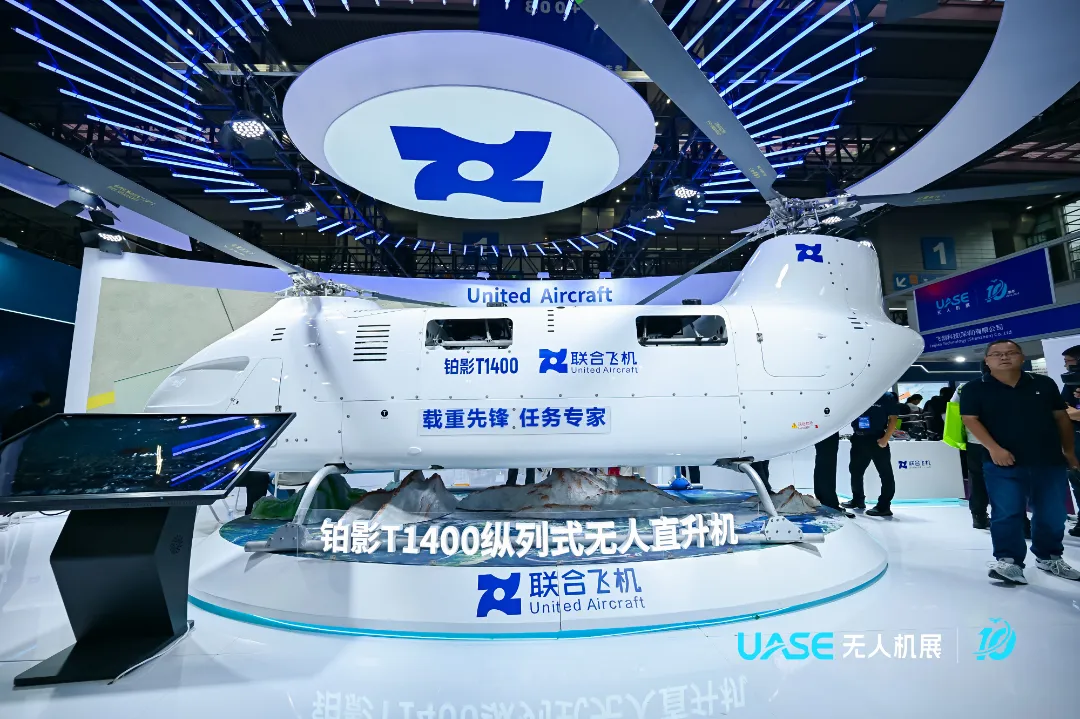
United Aircraft Signed a Contract of 100x T1400 Drone, the Biggest Winner of The UASE 2025.


Comprehensive Exhibition Showcasing the Full UAV Industry Chain

The exhibition spanned 66,000 square meters across Halls 1, 6, 7, and 9, featuring over 5,000 unmanned system technologies and products. Exhibits covered the entire UAV industry chain, including upstream components, R&D, manufacturing, training services, and downstream applications. Key areas included intelligent manufacturing, eVTOL aircraft, AI robotics, unmanned ground vehicles, unmanned ships, chips, smart modules, aerial photography and mapping systems, police and emergency drones, agricultural spraying drones, and low-altitude flight service platforms.

Compared to the previous year, the exhibition area increased by 88.6%, and the number of participating enterprises grew by 76.3%, reflecting the booming momentum of the industry.

The event attracted over 800 companies showcasing more than 5,000 drone products, with a total of 131,463 visitors, including 6,041 international attendees from 103 countries and regions .


High-Level Forums and Technical Exchanges

The 9th World Drone Congress featured one plenary session and 106 parallel forums and technical exchange meetings. The event attracted over 10,000 participants, including 553 speakers (210 international and 343 domestic), and 21 academicians from China and abroad. Discussions focused on the development of the low-altitude economy, unmanned aviation, eVTOL ecosystems, low-altitude digital traffic, logistics drones, and emergency applications.


Drone Competitions and Industry Awards

To promote drone sports and public engagement, the expo hosted several high-level competitions, including FPV drone racing, the 3rd Greater Bay Area UAV Racing Championship, drone soccer matches, and obstacle challenges. More than 10,000 drone enthusiasts, professionals, and industry leaders participated in these events.

The organizing committee recognized 173 individuals and enterprises for their contributions to the industry. Award categories included:

  • Global UAV Contribution Award

  • Low-Altitude Economy Pioneer Award

  • Top 10 Low-Altitude Enterprises

  • Model Projects in the Low-Altitude Sector

  • Golden Eagle Innovation Award


Low-Altitude Economy Demonstration Project Award Winners

The “Low-Altitude Economy Demonstration Project Award” recognized 25 exemplary projects that have significantly contributed to the development of the low-altitude economy. The winners are:

Awarded Enterprise Awarded Project
Huanuo Xingkong Technology Co., Ltd. Changsha County Low-Altitude Intelligent Network Test Zone Pilot Project
Guangzhou Zhongke Yuntu Intelligent Technology Co., Ltd. Nanhai District Air-Ground Integrated Social Governance Platform Construction Project
Yunsheng Intelligent Technology Co., Ltd. Integrated UAV Inspection Demonstration Zone for Transmission and Distribution
Shenzhen Autel Intelligent Aviation Technology Co., Ltd. Gansu Province Jishishan County Earthquake Emergency UAV Digital Industry Solution
Prodrone Technology Co., Ltd. Donghu High-Tech Zone Low-Altitude Shared UAV Application Demonstration Zone Construction Project
Zhejiang Feiliu Technology Co., Ltd. “Dual-Platform Driven” UAV Service System
Shanghai Tejin Information Technology Co., Ltd. Urban-Level Low-Altitude Security Integrated Supervision Platform Solution
Shenzhen Haoying Technology Co., Ltd. Research and Application of High-Performance Brushless Power System for UAVs
Anqing Civil Unmanned Aviation Test Zone Anqing (Yuexi) Civil Unmanned Aviation Test Zone (Phase I) Project
Yifei (Hainan) Technology Co., Ltd. 2024 Spring Festival Gala UAV Performance Project
Jieneng Keshi Intelligent Security Technology (Hangzhou) Co., Ltd. Low-Altitude Economy Application and Safety Management Platform
Wuhan Feiliu Intelligent Technology Co., Ltd. UAV Comprehensive Law Enforcement Street Pilot Project
Youying Intelligent Technology (Shenzhen) Co., Ltd. Vertical Take-Off and Landing Fixed-Wing Long-Endurance UAV Forest Inspection and Fire Prevention Project
Shenzhen Minglan Low-Altitude Economy Industry Service Co., Ltd. Bao’an District Low-Altitude Economy Industry Public Service Center & UAV System Application Test Base
Wuhan Aorui’er Technology Co., Ltd. “Land-Air Integrated Unmanned System Collaborative Inspection Platform”
Wanxun Technology (Shenzhen) Co., Ltd. Orion AP3-P3 Flexible Tethered Cleaning System
Tengyun Aviation Technology (Shenzhen) Co., Ltd. UAV Glass Curtain Wall Cleaning Project
Gansu General Aviation Intelligent Technology Co., Ltd. Low-Altitude Cluster Intelligent Exhibition and Trade Center
Hangzhou Zhonghui General Aviation Technology Co., Ltd. UAV Police Integration Service Platform
Huaqi Tiancheng (Shenzhen) Intelligent Technology Co., Ltd. Photovoltaic Cleaning Project
Binzhou High-Tech Industrial Development Zone Management Committee Binzhou High-Tech Zone UAV Industrial Park
Inner Mongolia Xilinhot City Security Center Inner Mongolia Xilingol Low-Altitude Economy Industry Integration Smart Security Innovation Technology Park
Anhui Heqing Intelligent Robotics Co., Ltd. Unmanned Inspection System for Water Conservancy Scenarios
Shenzhen Grepow Battery Co., Ltd. Key Technology R&D and Industrialization Project of High-Energy-Density Lithium-Ion Batteries for Electric Vertical Take-Off and Landing Aircraft
Zhejiang Zhiyi General Aviation Co., Ltd. Low-Altitude Cultural Tourism Project

The 2025 9th World Drone Congress and UASE Drone Expo have once again demonstrated the rapid development and global influence of China’s UAV industry. The event not only showcased cutting-edge technologies and applications but also fostered international collaboration and innovation in the low-altitude economy sector.

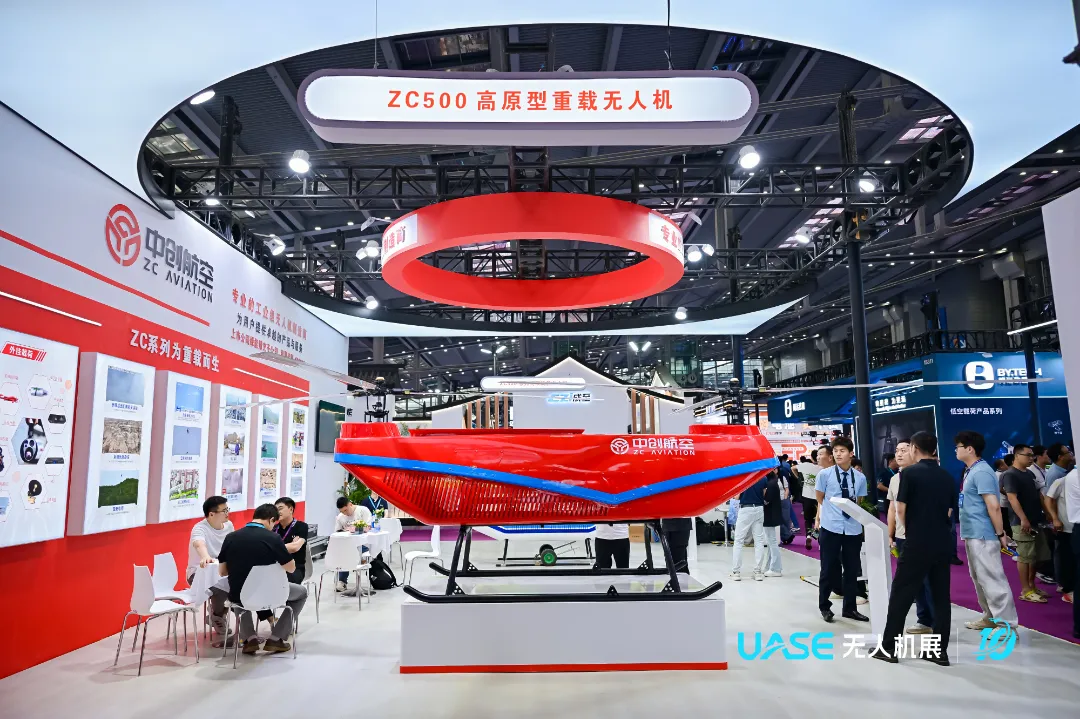
ZC500 Heavy Lift VTOL Drone from ZC Aviation

27May/25

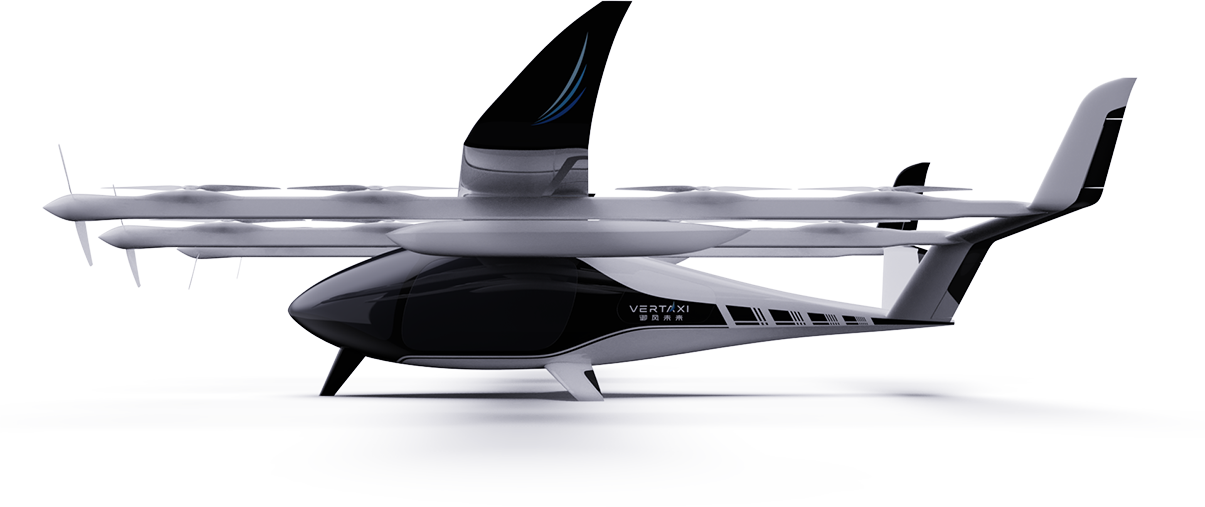
Vertaxi Secures 100-Unit eVTOL Order from AVIC

VERTAXI Secures 100-Unit eVTOL Order from AVIC Leasing, Advancing Urban Air Mobility in China

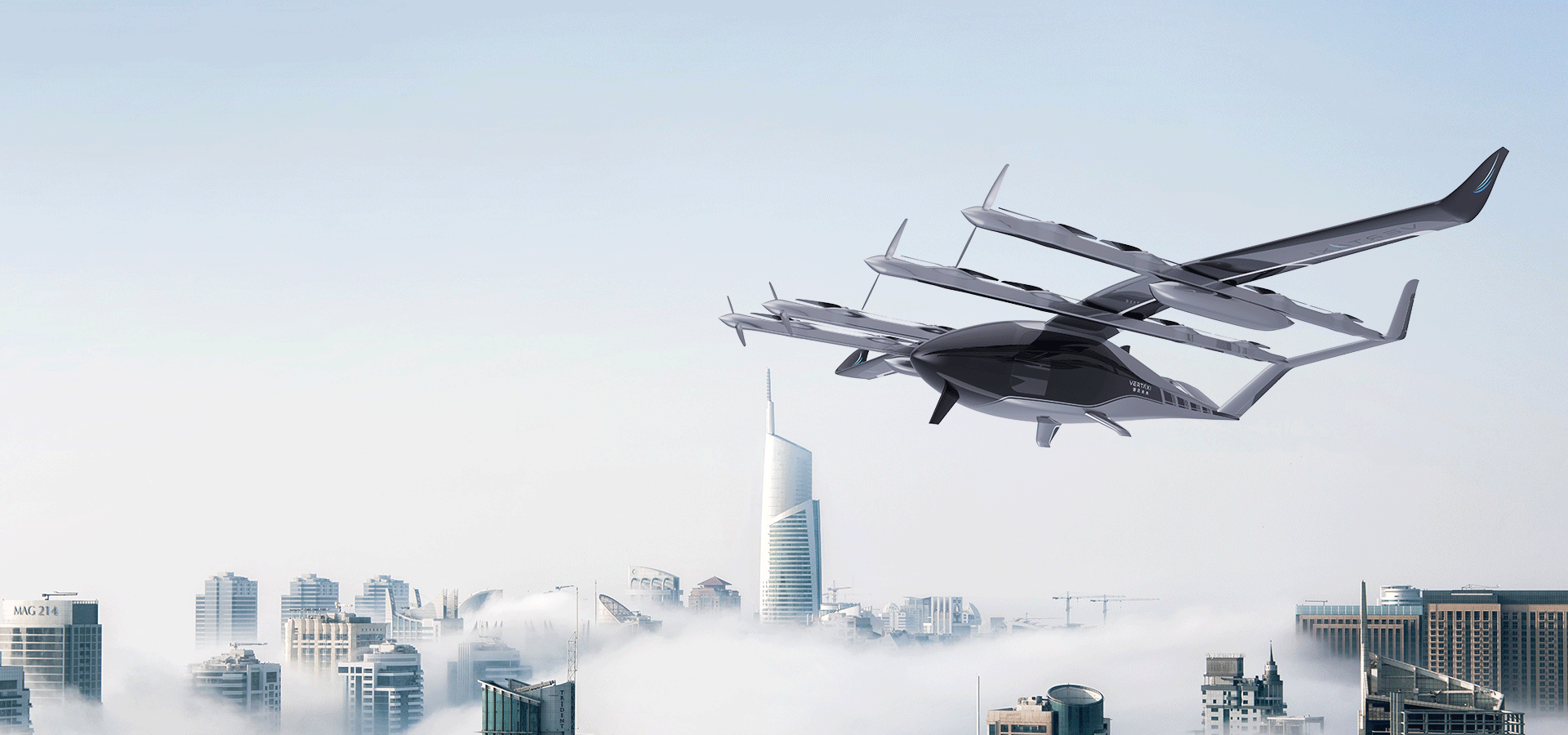
From May 26 to 28, the 3rd Civil Aviation Science and Innovation Achievement Expo was held at the China National Convention Center in Beijing. VERTAXI, an emerging leader in low-altitude urban mobility, made its Beijing debut with the full-scale presentation of its 2-ton class manned electric vertical take-off and landing (eVTOL) aircraft—M1.

During the event, VERTAXI announced major progress in the M1 series development. The airworthiness-certified model, M1B, has recently completed several key safety tests on its airframe, propulsion system, and flight control system. The highlight of the expo was the signing of a cooperation agreement between VERTAXI and AVIC International Leasing Co., Ltd., China’s largest aviation industry-backed leasing company. The agreement covers 100 units of the M1 eVTOL, with a total estimated value exceeding RMB 1 billion (approx. USD 140 million).


M1B Completes Structural and Flight Safety Testing

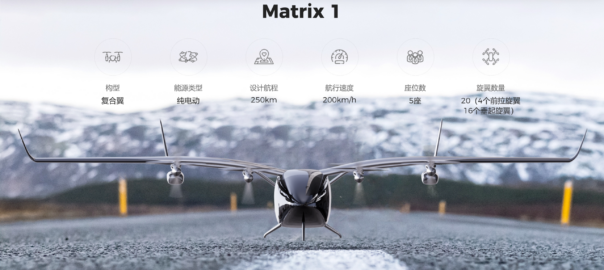
The M1 is a 2.5-ton gross weight eVTOL aircraft independently developed by VERTAXI. Featuring a compound-wing configuration and powered by 20 electric rotors, it can carry five passengers at a cruising speed of 200 km/h and a range of up to 250 km per charge. Fully electric and designed for autonomous flight, the M1 eliminates the need for a pilot, reducing both operational risk and cost.

For instance, a future trip from Beijing’s National Stadium to Daxing International Airport that currently takes over two hours by car could be completed in just 30 minutes aboard the M1—at a price similar to a taxi fare. This innovation positions the M1 as a next-generation “air taxi.”

In October 2023, VERTAXI successfully completed the maiden flight of its M1 proof-of-concept prototype, making it China’s first fully domestically developed and produced 2-ton class eVTOL. In January 2024, the M1B variant officially entered the airworthiness certification process with the Civil Aviation Administration of China (CAAC).

During the expo, VERTAXI revealed updates on M1B’s recent tests, including static load tests on wings, tailfins, and propulsion arms, as well as multiple-motor load simulations. These tests were conducted using a dedicated M1B static test airframe at VERTAXI’s final assembly plant in Jinshan, Shanghai.

On the propulsion side, the M1B uses a fully domestically developed electric powertrain co-developed with local suppliers. The system has successfully demonstrated the ability to output both rated and peak power under operating conditions, meeting all performance specifications and offering substantial power reserve.

For flight control, VERTAXI developed a triple-redundant dual-channel flight control system. Designed with a command-monitor architecture, the system ensures safety even if one or two flight computers fail—greatly enhancing the aircraft’s reliability in complex environments. Additionally, navigation, vibration, temperature, and load testing have all yielded positive intermediate results.


Strategic Partnership with AVIC Leasing: 100 Units Ordered

At the expo, VERTAXI and AVIC Leasing signed a strategic agreement covering 100 units of the M1 eVTOL. The cooperation is valued at over RMB 1 billion and will focus on key areas such as product incubation, production line localization, and manufacturing capacity expansion.

Founded in 1993, AVIC Leasing is one of China’s first domestic financial leasing companies and is part of the AVIC Capital segment under the centrally managed AVIC Group. Its aircraft leasing business ranks among the world’s leading lessors and supports the commercial rollout of Chinese-made aircraft including the ARJ21 and C919.

The signing ceremony was attended by Yu Daoyuan (Chairman of AVIC Leasing), Gao Jianming (Chairman of the Civil Aviation Investment Fund), Liu Guibing (Deputy GM of AECC Fund), and VERTAXI founder and CEO Xie Ling. The agreement was officially signed by Yue Tingting (VP of VERTAXI) and Zhang Yang (Deputy GM of AVIC Leasing’s Aviation Division).

Mr. Yu Daoyuan commented, “The low-altitude economy is a rising force in driving industrial transformation and technological innovation. VERTAXI’s commitment to independent R&D and fully domestic manufacturing gives it a clear lead in China’s eVTOL sector. This partnership brings together AVIC Leasing’s financial and global resources with VERTAXI’s technical expertise to jointly explore real-world commercialization scenarios and accelerate the development of China’s low-altitude economy.”

24Apr/25

How to Choose the Right Swiftlink Video Transmission System for Your Drone

How to Choose the Right Swiftlink Video Transmission System

The SkyeyeUAV Swiftlink series of video/data transmission modules is designed for long-range drone communications, offering various models with ranges from ~60 km up to 300 km. When selecting a Swiftlink system for industrial or hobby UAV use, key technical factors include transmission range, latency, bandwidth, encryption, antenna design, and overall durability. We’ll explore each criterion and compare the P33, P37, P40, P43, and P46 models to help you make an informed choice.

Transmission Range

For long-distance drone operations, range is paramount. Swiftlink systems use 1.4 GHz TDD radio links and offer impressive line-of-sight ranges. All models use high-gain directional antennas for maximum distance. For example, the Swiftlink P33 (2W) reaches over 60 km with a directional antenna, while the P37 (5W) covers up to ~100 km. Higher-power models extend this further: the P40 (10W) can exceed 150 km, the P43 (20W) up to 200 km, and the P46 (40W) up to 300 km. Omni-directional antennas yield shorter ranges (e.g. ~30 km for P33, ~60–100 km for P37–P40). When choosing, match the model’s directional range to your mission (e.g. P37 or P40 for 100–150 km, P43/P46 for ultra-long-range).

Low Latency

For real-time control and video feed, latency (end-to-end delay) is critical. All Swiftlink models are built on FPGA-based transceiver technology with advanced error correction, yielding very low latency. In practice, transmission delay is around 10 ms for each model. This sub-10 ms latency ensures smooth live video and responsive control links, which is essential for piloting and critical monitoring tasks.

Bandwidth & Data Rate

Channel bandwidth determines maximum video quality. Swiftlink radios use up to 10 MHz bandwidth, supporting high-definition video and telemetry. The P33/P37 deliver up to ~17 Mbps, while the P40 offers ~16 Mbps. The P43/P46 use similar channels with up to ~15 Mbps. All support H.264/H.265 video compression and dual network ports (for video and control). Higher throughput models (P43/P46) offer similar Mbps rates but improved link margin for very long distances.

Encryption & Security

Secure transmission is vital if your drone mission involves sensitive data. The P46 implements AES-256 encryption for communication. When choosing, verify whether the system offers encryption or proprietary secure protocols to protect your link from interception or interference.

Antenna Types

Swiftlink kits include both omni and directional antennas. Omni-directional (wide-beam) antennas are lighter and used for moderate ranges. Directional antennas (e.g. fiberglass parabolic reflectors) extend range dramatically. All models come with matched antenna sets (two airborne and two ground units). Ensure your system has the antenna type appropriate for your mission: omni for flexible orientation, directional for max distance. Consider antenna durability (rigid fiberglass) and mounting options provided in each kit.

Durability & Build

Industrial drones need rugged gear. Swiftlink units feature solid aluminum heatsink enclosures and wide temperature tolerance. The P33/P37 operate from –40°C to +75°C, and the high-power P40/P43/P46 handle –40°C to +65°C. All units are fan-cooled for reliable long-term use, with robust DC power connectors and weather-resistant casings.

Model Comparison Table

Model TX Power Max Range Data Rate Encryption
P33 2W 60 km ~17 Mbps No
P37 5W 100 km ~17 Mbps No
P40 10W 150 km ~16 Mbps No
P43 20W 200 km ~15 Mbps No
P46 40W 300 km ~15 Mbps AES-256

Explore the full lineup here: SkyeyeUAV Video & Data Links

24Apr/25

How to Choose the Right Drone Gimbal and Camera for Industrial Applications

How to Choose the Right Drone Gimbal and Camera for Industrial Applications

Drones are essential tools in industrial tasks like infrastructure inspection, thermal monitoring, and mapping. A critical part of any drone system is the gimbal-stabilized camera. This guide highlights four top models from SkyeyeUAV—A40TR Pro, AT19, U30T, and U30TIR—to help you choose the best fit for your mission.

Key Evaluation Factors

  • Stabilization: Look for 3-axis gimbals with precise control (e.g., ±0.02°).
  • Sensor Type: Choose between EO (visible), IR (thermal), or dual sensors.
  • Zoom & Resolution: Optical zoom (e.g., 30x–40x) is key for inspections.
  • Tracking & AI: For object auto-follow and reduced pilot workload.
  • Weight & Integration: Ensure compatibility with your drone’s payload.
  • Durability: IP-rated and temperature-tolerant models are ideal.

A40TR Pro – EO/IR/Rangefinder All-in-One Gimbal

A40TR Pro Gimbal

  • 40× optical zoom visible camera
  • Thermal camera (640×512)
  • Laser rangefinder for distance measurement
  • AI object tracking with multi-target detection
  • Rugged 3-axis gimbal with ±0.01° accuracy

Best for: Surveillance, security, and high-precision inspection tasks.

AT19 – Lightweight Thermal Gimbal

AT19 Gimbal

  • 640×512 thermal resolution with 19mm lens
  • AI-based object tracking in IR view
  • IP67 waterproof and compact (≈400g)
  • Supports HDMI, Wi-Fi, USB-C outputs

Best for: Thermal inspections, emergency response, firefighting.

U30T – 30× Zoom Day/Night EO Camera

U30T Gimbal

  • 30x optical zoom with Sony CMOS sensor
  • Starlight sensor for low-light performance
  • Object tracking with OSD overlays
  • 2-axis stabilized with precise control

Best for: Daylight inspections, low-light monitoring, police use.

U30TIR – Dual EO/IR Gimbal Camera

U30TIR Gimbal

  • 30x EO camera + 640×480 thermal sensor
  • Simultaneous dual-stream output
  • 360° pan with high stability
  • Multi-mode target tracking (EO/IR)

Best for: All-day inspection, SAR, firefighting, and high-end surveillance.

Quick Comparison

Model Zoom Thermal Rangefinder Best Use
A40TR Pro 40x Yes Yes Security & Survey
AT19 No Yes No Thermal Inspection
U30T 30x No No Visual Inspections
U30TIR 30x Yes No Dual Imaging

Conclusion

Choosing the right gimbal-camera combo depends on your industrial task. Need long-range EO+thermal+LRF? Go with the A40TR Pro. Focused on compact thermal work? Try the AT19. Want powerful zoom in daylight and dusk? The U30T is your pick. Need the best of both EO & IR in one? The U30TIR leads the pack.

Explore all options on our Drone Camera Collection.

01Apr/25

How to Choose the Right Skyeye Fixed-Wing UAV for Your Mission

The Skyeye series from SkyeyeUAV represents a range of advanced fixed-wing unmanned aerial vehicle (UAV) platforms designed for industrial and long-range missions. SkyeyeUAV specializes in UAV airframes (or “shells”) and has built a reputation for using carbon fiber construction to achieve lightweight yet robust drones. By leveraging carbon fiber, SkyeyeUAV’s Skyeye platforms enjoy superior strength-to-weight performance compared to traditional fiberglass models. This translates into longer flight times, higher payload capacities, and greater durability – critical factors for professional UAV operations.

Advantages of Carbon Fiber Construction:

  • High Strength-to-Weight Ratio: Carbon fiber airframes are extremely strong without added weight, allowing the UAV to handle rigorous conditions.

  • Reduced Weight: A lighter airframe means longer flight durations and the ability to carry heavier payloads without compromising performance.

  • Durability: Carbon fiber is resistant to corrosion and wear, giving the drone a longer lifespan and lower maintenance needs.

  • Improved Aerodynamics: The smooth, sleek carbon fiber surface and design result in less drag for more efficient, stable flight.

SkyeyeUAV’s Skyeye series fixed-wing UAV consists of five models – Skyeye 2600, 3200, 3600, 5000, and 6000 – each named for its approximate wingspan (in millimeters). Below, we introduce each model, highlighting unique features and intended applications, followed by a comparison table of their key specifications, so you’ll have a better understanding of how to choose the right Skyeye fixed-wing UAV for your mission.

Skyeye 2600 – Compact Carbon Fiber Performer

The Skyeye 2600 is the smallest in the lineup, with a 2.6 m wingspan. Despite its compact size, this fixed-wing platform is constructed entirely from carbon fiber, keeping its empty frame weight to only about 6.5 kg. It is designed to accommodate a 20–35 cc gasoline engine, which allows it to carry up to 4 kg of payload aloft. In standard configuration, the Skyeye 2600 can fly for approximately 2 hours on a tank of fuel.

Despite being the “mini” Skyeye, this UAV inherits the series’ hallmark strengths. The full carbon fiber airframe gives it exceptional toughness for its weight, allowing the 2600 to handle demanding conditions and wind while maintaining stability. Quick to deploy and easy to transport, the Skyeye 2600 is popular for aerial surveying, mapping, and small-scale cargo transport tasks.

Skyeye 3200 – Versatile Mid-Range Workhorse

Also known by the name Mugin 3220, the Skyeye 3200 is a versatile UAV platform aimed at professional applications that require a bit more capacity and endurance. It features a 3.2 m wingspan and a length of 2348 mm, giving it a larger aerodynamic profile than the 2600. The airframe of the 3200 is crafted from a durable composite of wood and fiberglass, resulting in an empty weight of about 12.45 kg. This sturdy construction allows the Skyeye 3200 to support payloads up to 8 kg and a maximum takeoff weight around 25 kg. With the right engine and fuel setup, it can achieve approximately 3 hours of flight time.

One of the Skyeye 3200’s strengths is its customizability. SkyeyeUAV sells this model as an empty frame kit, so users have the freedom to configure the propulsion to their needs. The airframe is designed to accept a 50–80 cc gasoline engine and even supports conversion to an electric power system if desired. This flexibility makes the Skyeye 3200 a true workhorse for various missions – whether you are conducting aerial surveys, infrastructure monitoring, or environmental observation, this platform can be adapted to the task.

Skyeye 3600 – Long-Endurance Surveillance Platform

The Skyeye 3600 is a long-endurance drone platform built for missions that demand extended flight time and range. It spans 3.6 m in wingspan and is constructed from lightweight full carbon fiber, keeping the empty weight to around 11.5 kg. Despite weighing less than the smaller Skyeye 3200, the 3600 can still carry up to 8 kg of payload thanks to its efficient design. This model is engineered for endurance – it offers a maximum flight time of roughly 4.5 hours. A key feature enabling this stamina is its integrated 11.5 L fuel tank, which is built into the spacious fuselage cabin.

In the field, the Skyeye 3600 shines in missions like wide-area surveillance, security patrols, and mapping. The airframe’s upgraded structure ensures quick takeoffs and stable landings, even at full load, which is ideal for time-sensitive operations. SkyeyeUAV also offers a VTOL version of this airframe to further extend its operational versatility.

Skyeye 5000 – Heavy-Lift Long-Range Transport UAV

The Skyeye 5000 is an advanced large UAV platform featuring a 5 m wingspan. Built with full carbon fiber, it introduces several special enhancements such as an inverted V-tail, Kevlar-reinforced 28 L fuel tank, and even a disc brake system on the landing wheels for improved runway landing safety. Each boom can be separated into two parts for easier shipping and handling.

This platform is capable of over 7 hours of continuous flight, supports a maximum takeoff weight of 90 kg, and can carry up to 25 kg of payload. These features make it ideal for long-range cargo transport, surveying, or maritime surveillance where extended range and durability are critical.

Skyeye 6000 – Flagship Ultra-Long Endurance Platform

At the top of SkyeyeUAV’s lineup sits the Skyeye 6000, boasting a 6 m wingspan and a maximum flight time of up to 10 hours. It is constructed entirely from carbon fiber and designed to carry up to 30 kg of payload with a maximum takeoff weight of 115 kg. Despite its size, it maintains strong fuel efficiency with a 28 L fuel tank and excellent aerodynamic design.

The Skyeye 6000 is perfectly suited for extensive aerial monitoring, long-range logistics, disaster response, and border patrol missions. Its high endurance and payload capacity make it one of the most capable fixed-wing UAV platforms on the market.

Skyeye Series Fixed-wing UAV Specifications Comparison

Model Wingspan Empty Weight Payload Capacity Max Flight Time Airframe Material Fuel Tank Size Engine Compatibility Max Takeoff Weight
Skyeye 2600 2600 mm 6.5 kg 4 kg ~2 hours Full carbon fiber ~5 L 20–35 cc gasoline engine 15 kg
Skyeye 3200 3220 mm 12.45 kg 8 kg ~3 hours Wood & fiberglass 6 L 50–80 cc gas or electric 25 kg
Skyeye 3600 3600 mm 11.5 kg 8 kg 4.5 hours Full carbon fiber 11.5 L 50–100 cc gasoline engine 30 kg
Skyeye 5000 5000 mm 32 kg 25 kg 7–8 hours Full carbon fiber 28 L ~150–180 cc gasoline 90 kg
Skyeye 6000 6000 mm 34.2 kg 30 kg 8–10 hours Full carbon fiber 28 L ~180 cc EFI gasoline 115 kg

From the compact Skyeye 2600 to the ultra-long-endurance Skyeye 6000, SkyeyeUAV’s Skyeye series fixed-wing UAVs offer UAV solutions for a wide range of aerial missions. Whether you are a professional in surveying, monitoring, logistics, or emergency response, there is a Skyeye model built to meet your operational needs. With lightweight construction, customizable configurations, and long endurance, the Skyeye series delivers reliable, high-performance platforms for every mission.