27Dec/24

Drones Are Becoming a Key Element of Modern Warfare

2024: A Pivotal Year for Weapons Development

Time is both a constant and a variable. In the ever-evolving world of weaponry, where innovation and progress define the landscape, time holds a unique significance.

Every year, the development of military equipment follows its own distinctive path. Some trends diverge sharply from the past, while others continue existing trajectories. Regardless, the overarching rule remains: gaining time means gaining the advantage. Those who advance first in military technology and equipment lay the groundwork for dominance in future conflicts. So, how have various types of weaponry progressed in 2024? This year’s review may provide the answers.

Drones: Deeply Embedded in Battlefields

The development of medium and large drones continues to be a focal point of global competition. This year, stealth and multifunctional capabilities have emerged as defining features, hinting at a potential shift where drones may replace manned fighter jets in certain roles.

In the first half of the year, the U.S. Defense Advanced Research Projects Agency (DARPA) confirmed the XRQ-73 flying wing drone project. Meanwhile, India’s Defence Research and Development Organisation successfully tested a stealth wing demonstrator, and an Indian company conducted the maiden flight of the FWD-200B unmanned bomber in September.

The U.S. and Russia have also broken new ground by freeing drones from ground control station limitations. Early this year, the U.S. Air Force successfully conducted its first satellite-controlled landing of an MQ-9 drone. A few months later, a Russian aerospace company announced the successful remote operation of a drone via satellite.

While medium and large drones boast impressive performance, their high technological barriers exclude many nations. This year, several MQ-9 drones were lost under various circumstances, renewing doubts about their survivability in combat. In contrast, the effectiveness of small and micro drones in conflict zones has captured widespread attention.

First-person-view (FPV) drones gained immense popularity this year. At the start of the year, media reports indicated that Ukraine’s industrial sector planned to manufacture and supply FPV drones to its military throughout 2024. Russia responded by developing a multi-band communication system for FPV drones to counter electronic interference from adversaries.

The U.S. Department of Defense’s Replicator program advanced significantly this year, with the Switchblade-600 loitering munition becoming one of the first systems delivered. The U.S. Army is also refining its “launch effect” program, evaluating small drones, and finalizing quadcopters as future short-range reconnaissance platforms. Meanwhile, European countries unveiled the HX-2 and other small drones and loitering munitions.

Additionally, the U.S. Air Force is converting C-130 transport planes and MQ-9 drones into platforms capable of deploying smaller drones. Russia is reportedly exploring the use of S-71 drones to guide and coordinate drone strikes, showcasing a “mothership and swarm” approach that adds depth to drone warfare.

Despite the enthusiasm for drones, dissenting voices remain. The former U.S. Air Force Chief of Staff questioned the long-term utility of drones, while the French Army Chief of Staff suggested that advancements in anti-drone systems could quickly erode the tactical edge of small drones.

Defense expos increasingly spotlight counter-drone systems. This year, the U.S. Defense Department unveiled Replicator 2.0, focusing on drone defense systems. The U.S. military admitted to deploying laser weapons in the Middle East to intercept drones, and both U.S. and U.K. forces successfully shot down drones with air-to-air missiles launched from attack helicopters. Russia also tested several mobile counter-drone systems.

Whether through sustained research, skepticism, or debates over prioritizing drones or anti-drone measures, one undeniable fact remains: drones are embedding deeply into modern battlefields, solidifying their place as essential elements of contemporary warfare.

12Dec/24

Analyzing the Application of UAVs in the Russia-Ukraine Conflict

Since the outbreak of the Russia-Ukraine conflict, UAVs (unmanned aerial vehicles) have become pivotal in shaping modern battlefield dynamics. As the conflict transitioned from initial “blitzkrieg” strategies to trench and positional warfare, and now to “unmanned warfare,” both sides have heavily relied on drones for diverse offensive and defensive operations. These UAVs, particularly light and micro drones, have provided unparalleled tactical advantages, combining cost-effectiveness with operational versatility.

The Rise of Small and Tactical UAVs

Large and medium-sized drones, such as the Turkish Bayraktar TB2 or Russia’s Orion, have garnered media attention. However, these UAVs often face challenges such as high operational costs, limited survivability, and vulnerability to advanced air defense systems. By contrast, smaller UAVs—both locally produced and imported—have demonstrated higher cost-effectiveness in high-intensity combat.

Key UAVs Used in the Conflict

Ukrainian Long Range Attack Drones

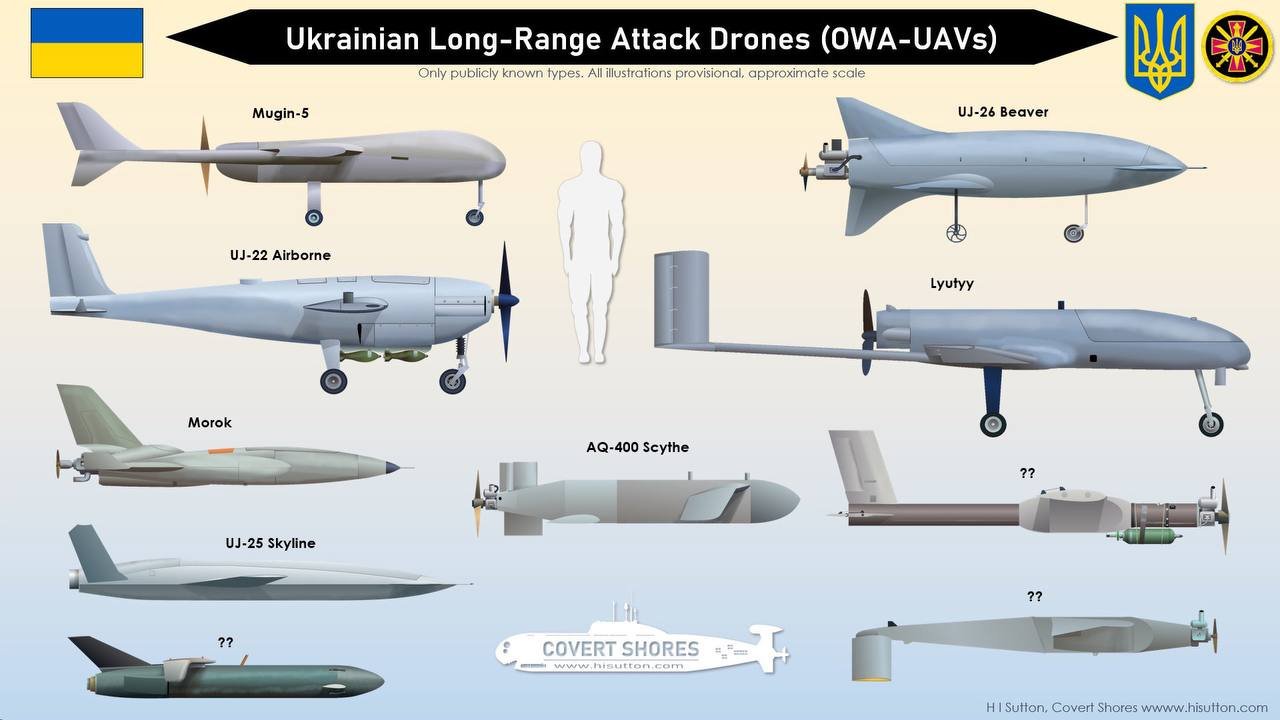
Ukrainian Long Range Attack Drones – Source: Covert Shores

Ukraine and Russia have deployed an array of UAVs, with approximately 10 types of long-range drones currently being used in attacks on critical infrastructure. Below is a closer look at seven key UAVs that highlight the tactical diversity in this conflict:

  1. Mugin-5 / Skyeye 5000
    Known commercially as the Skyeye 5000, the Mugin-5 was initially employed by Ukraine in August 2022 during an attack on the Black Sea Fleet headquarters in Sevastopol, Crimea. These drones have since been replaced by domestically produced designs.
  2. UJ-22 Airborne
    This single-engine UAV can carry up to 20 kg of payload, either as an internal warhead or air-dropped bombs. Measuring 3.7 meters in length with a 4.2-meter wingspan, it is one of the largest UAVs in service. Confirmed to have been used in attacks on Moscow in February 2023, the UJ-22 boasts an 800 km range.
  3. Morok
    Derived from the RZ-60 target drone, the Morok features a short range of 300 km and a small 3 kg warhead. It is rocket-launched and capable of reaching speeds up to 290 km/h, making it a swift and agile option for tactical operations.
  4. UJ-25 Skyline
    A jet-powered evolution of the Ukrajet UJ-23 Topaz, the UJ-25 Skyline features stealthy forward-swept wings. While details remain scarce, at least one has reportedly been deployed in Russian territory.
  5. UJ-26 Beaver (Bober)
    Featuring a unique canard design, the UJ-26 Beaver / Bober UAV entered mass production in 2023. With a range of 1,000 km and a 20 kg payload capacity, it has been used in high-profile attacks on Moscow and other strategic targets in Russia.
  6. Lyutyy
    Similar to the Turkish Bayraktar TB2, the Lyutyy is a traditional UAV reportedly developed under Ukroboronprom, a consortium that includes Antonov. This reflects Ukraine’s pivot toward heavier UAV production post-2022.
  7. AQ-400 Scythe
    Designed by volunteers, the Scythe has a box-like fuselage and tandem wings. It offers a range of 750 km and a payload capacity of up to 70 kg at reduced range. This drone represents a balance of simplicity and firepower.

Operational Efficiency in High-Intensity Combat

The versatility of small UAVs enables them to perform multiple roles, including reconnaissance, target acquisition, precision strikes, and electronic warfare. Russia’s Seagull-10 and Wing-3 drones, for example, create a robust aerial reconnaissance network, while Ukraine’s R18 drones, built with 3D-printed components, have destroyed over 100 Russian vehicles, far outperforming more expensive drones like the Bayraktar TB2.

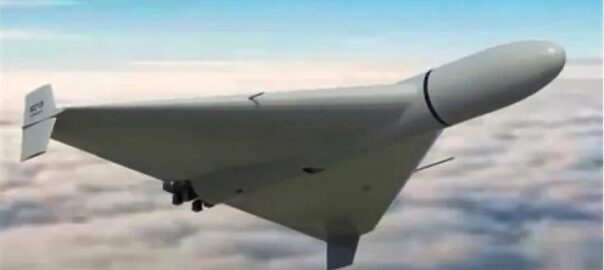
Loitering munitions, such as Russia’s Shahed-136 and Ukraine’s Switchblade, further exemplify how UAVs are being adapted to modern combat scenarios, especially in urban environments. These drones excel in quick-reaction strikes against mixed targets, making them indispensable in close-quarters battles.

Cost-Effectiveness and Survivability

Light and micro UAVs are not only harder to detect by radar but are also significantly cheaper to produce and deploy. For instance, the Russian Seagull-10 costs approximately $10,000 per unit, compared to the $5 million price tag of a Bayraktar TB2. This affordability allows for greater scalability and sustained operations in prolonged conflicts. Additionally, smaller UAVs can be rapidly deployed by front-line units, enhancing their tactical flexibility.

Integration into Combat Systems

Both Russia and Ukraine have seamlessly integrated UAVs into their combat frameworks. Ukraine utilizes NATO command systems and satellite networks, creating real-time data links between UAV reconnaissance and strike platforms. This integration has reduced the time for target acquisition from 20 minutes to just 1 minute. Meanwhile, Russia uses UAVs to enhance ground firepower, guiding artillery with precision and conducting real-time damage assessments.

Conclusion: The Future of Unmanned Warfare

The Russia-Ukraine conflict has showcased the strategic importance of UAVs, particularly small and tactical drones, in modern warfare. Their cost-effectiveness, operational flexibility, and survivability make them indispensable in high-intensity engagements. As the conflict continues, the role of UAVs is likely to expand further, shaping the future of military tactics and technology.

At SkyeyeUAV, we specialize in advanced UAV solutions, enabling industries and defense organizations to harness the potential of unmanned systems. From reconnaissance and logistics to tactical operations, our drones are designed to meet the demands of an evolving battlefield.

09Dec/24

The Tandem Wing Advantage: Exploring Volitation VT370 and VT510

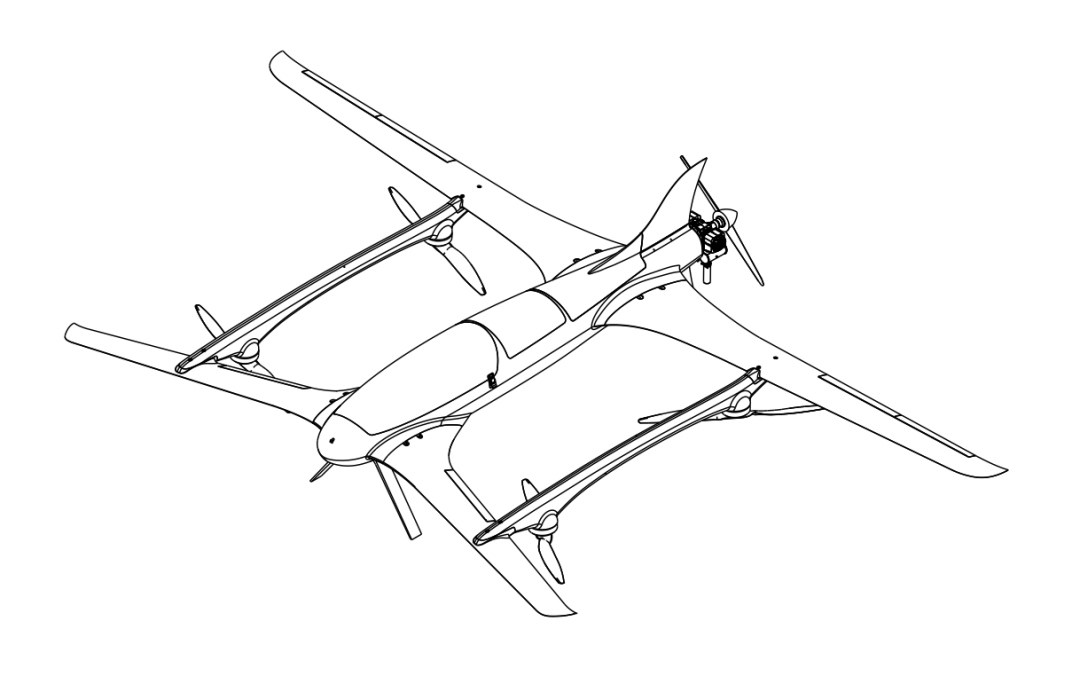
Tandem wing UAVs represent a cutting-edge innovation in drone design, combining unique aerodynamics, exceptional stability, and unmatched efficiency. Characterized by a front and rear wing configuration, this layout offers significant advantages over traditional single-wing and canard designs, making it an ideal choice for various industrial applications.

tandem wing

What Makes Tandem Wing UAVs Unique?

Tandem wing UAVs differ from canard configurations in fundamental ways. While canards use the front wing primarily for balance and pitch control, tandem wings utilize both wings to generate lift, distributing the UAV’s center of gravity between them. This design results in several key advantages:

  • Enhanced Stability: The central placement of the center of gravity ensures better balance during lift generation.
  • Structural Rigidity: The dual-wing setup increases the UAV’s overall structural strength, making it more durable for long missions.
  • Aerodynamic Efficiency: By optimizing the lift distribution between the wings, tandem wing UAVs reduce induced drag, resulting in superior cruising performance and energy efficiency.

Performance Advantages of Tandem Wing UAVs

Tandem wing UAVs are known for their outstanding performance metrics:

  • High Flight Altitudes: Optimized aerodynamics allow for operations at greater heights.
  • Exceptional Cruise Efficiency: Reduced drag and improved aerodynamics make these UAVs highly efficient, particularly for long-distance missions.
  • Extended Endurance: With an optimized lift-to-drag ratio, tandem wing UAVs can stay airborne for extended periods, making them perfect for prolonged surveillance and reconnaissance tasks.

SkyeyeUAV’s Tandem Wing Innovations: VT370 and VT510

SkyeyeUAV is at the forefront of tandem wing UAV technology with its Volitation VT370 and VT510 platforms. These UAVs exemplify the practical benefits of this revolutionary design while meeting the demands of modern industrial applications.

Volitation VT370 VTOL UAV Platform

The Volitation VT370 is a compact, efficient UAV designed for versatility and ease of deployment.

  • Endurance and Efficiency: The VT370’s tandem wing configuration allows for long-endurance missions while maintaining energy efficiency.
  • Payload Capacity: With a 10 kg payload capability, it is ideal for tasks such as aerial surveying, mapping, and environmental monitoring.
  • Applications: Perfect for industries like agriculture, mining, and infrastructure inspection.
Volitation VT370 Drone

Volitation VT370 Drone

Learn more about the VT370

Volitation VT510 Heavy-Lift VTOL UAV

For missions requiring higher payload capacity, the Volitation VT510 is a heavy-duty UAV designed to handle challenging tasks.

  • Unmatched Payload Capacity: With the ability to carry up to 45 kg, the VT510 is ideal for logistics, material delivery, and industrial operations.
  • Extended Flight Time: Optimized for long-duration missions, the VT510 offers unparalleled reliability.
  • Applications: Suitable for large-scale projects such as disaster relief, cargo delivery, and heavy-duty inspections.
Volitation VT510 Drone

Volitation VT510 Drone

Discover the VT510

Historical Context of Tandem Wing UAVs

The tandem wing design has a rich history, dating back to 1898 in the United States. The first successful tandem wing UAV flight was recorded in 1990, showcasing the viability of this innovative layout. While tandem wing UAVs remain rare in the market, notable examples include international models such as “Poseidon,” “Eagle ARV,” and “Unite40.” In China, medium-to-large UAVs like “Xianglong” and “Caihong” highlight the potential of this configuration. However, smaller tandem wing UAVs, like SkyeyeUAV’s VT370 and VT510, represent a new frontier in drone technology.

Applications of Tandem Wing UAVs

Tandem wing UAVs are versatile, finding applications in industries such as:

  • Surveillance and Reconnaissance: Extended endurance and high flight altitudes make them ideal for security and defense operations.
  • Surveying and Mapping: High efficiency ensures precise data collection over large areas.
  • Agriculture: Advanced sensors and payload capabilities support precision farming tasks.
  • Logistics and Delivery: The high payload capacity allows for the efficient transportation of goods, even to remote areas.

Conclusion

Tandem wing UAVs offer unmatched stability, efficiency, and versatility, making them a revolutionary step forward in drone technology. SkyeyeUAV’s VT370 and VT510 exemplify these advantages, delivering state-of-the-art solutions for various industries. Whether you need a lightweight, efficient UAV or a heavy-lift powerhouse, SkyeyeUAV’s tandem wing UAV platforms are the perfect choice for modern operations.

13Nov/24

China Airshow Observation: Promising Developments in Unmanned Equipment

The 15th China International Aviation & Aerospace Exhibition (China Airshow) opened today in Zhuhai, Guangdong. A wide array of cutting-edge exhibits showcasing advanced global achievements in aerospace and defense technology are on display. This year’s airshow features over 890 exhibitors from 47 countries and regions, covering an indoor exhibition space of 120,000 square meters, and includes a new unmanned aerial and maritime vehicle demonstration area (Doumen Lianzhou) of about 330,000 square meters.

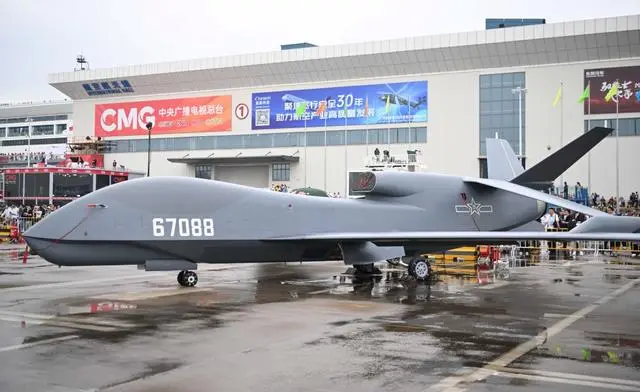
In the static display section, several new domestically produced unmanned transport aircraft, varying in size and design, are featured prominently, marking an upgrade over the previous exhibition. Among them, the Twin-Tailed Scorpion D, a large four-engine fixed-wing UAV in the outdoor static display area, stands out. Unlike the previous airshow, this delivery model Twin-Tailed Scorpion D has “evolved” with a modular drop-in cargo hold design, increasing its maximum payload capacity to 1.8 tons. Notably, a standard cargo hold for this UAV is displayed next to the Twin-Tailed Scorpion D, demonstrating its highly modular design that allows for quick body swaps and versatile configurations to meet diverse customer needs.

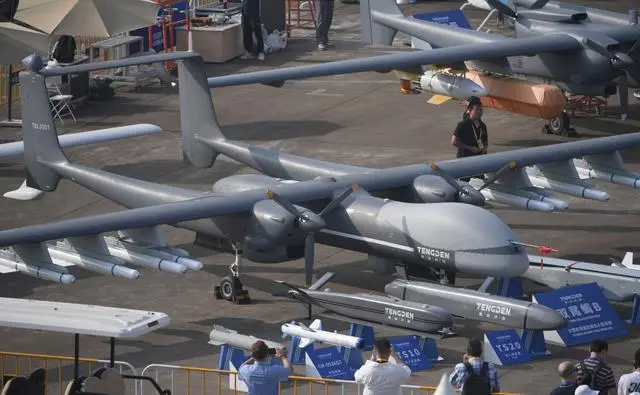
Additionally, this year’s airshow has established themed exhibition areas, including a Low Altitude Economy Pavilion, Commercial Aircraft Industry Pavilion, and Civil Aviation Industry Exhibition Area. The new Low Altitude Economy Pavilion serves as a showcase for large unmanned transport equipment, displaying new large fixed-wing unmanned transport aircraft, heavy-lift tilt-rotor UAVs, and tandem rotor UAVs. The Tengden large twin-engine unmanned transport aircraft, which completed its maiden flight in August and recently performed at the Zigong Low Altitude Equipment Expo on November 1st, is also making its debut at this airshow as one of the “treasures” of the Low Altitude Economy Pavilion. This UAV, with a maximum payload capacity of 2 tons and a cargo space of 12 cubic meters, offers advanced intelligent control systems, reliable autonomous flight capabilities, and a modular cargo hold design, reducing operational complexity and costs. It is currently one of the leading 2-ton-class unmanned transport aircraft in China with mature operational capability.

In recent years, the development and application of unmanned equipment have surged globally. From civil applications to the defense industry, various unmanned systems—particularly drones and unmanned vessels—have captured significant attention. This trend has now extended to this year’s China Airshow.

On one hand, the rise of the low-altitude economy has attracted many enterprises to this blue-ocean market. In the second exhibition area of this year’s China Airshow, a dedicated space for unmanned technology has drawn considerable interest.

In the air, large fixed-wing drones are capable of carrying multiple high-performance payloads, quad-rotor platforms are being applied in logistics, energy, and agriculture, and micro coaxial dual-rotor helicopters with AI recognition capabilities are expanding the range of drone applications.

On water, intelligent unmanned boats are performing fleet demonstrations on rivers, showcasing high levels of intelligence, maneuverability, and multi-tasking capabilities, providing the audience with a more comprehensive and direct experience.

Inside the exhibition halls, hundreds of exhibitors have brought a wide range of products covering drones, unmanned boats, composite materials, radar components, and other fields related to unmanned equipment, presenting a comprehensive display of the industry’s advancements.

According to expert Zhou Zhiyong, compared to traditional models, unmanned equipment offers significant advantages in safety, economy, and efficiency. With ongoing technological iteration and improved regulatory policies, the application scenarios for unmanned equipment are continuously evolving, enabling large-scale deployment with a broad range of uses and promising prospects.

In the military domain, unmanned equipment has also seen remarkable advancements in recent years. As Cheng Ziheng, spokesperson for the China North Industries Group, explained, unmanned equipment has become mainstream in modern combat operations. Numerous military unmanned devices are also on display at this year’s airshow.

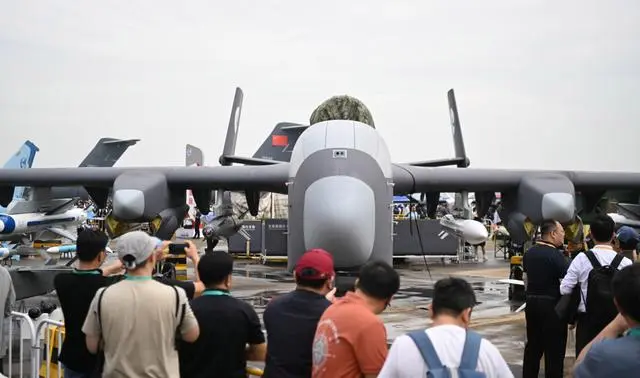
In the static display area, the Chinese Air Force’s “star equipment,” such as the WZ-7 and WZ-10 large drones, have attracted considerable attention. The WZ-7, independently developed by China, is a high-altitude reconnaissance drone for missions like border surveillance and coastal patrol, while the WZ-10, with its advanced reconnaissance and electronic warfare capabilities, significantly boosts the combat effectiveness of China’s armed forces.

Notably, this year, the WZ-7 and WZ-10 were not transported to the exhibition by land; instead, they autonomously flew to the airshow venue, demonstrating a high level of autonomous control capability.

Furthermore, light unmanned tanks, unmanned ground combat platforms, and robotic “wolves” also made appearances, showcasing the latest advancements in unmanned land systems.

Cheng Ziheng emphasized that various types of unmanned equipment, including drones, unmanned vehicles, unmanned boats, and robots, are deeply integrated into modern warfare. “Unmanned modules have substantial potential to enhance traditional equipment and address capability gaps.”

With the rapid development of unmanned equipment, challenges have emerged around managing civilian unmanned devices and countering military unmanned systems, spurring the rise of counter-unmanned equipment research.

For instance, various weapons systems, including the HQ-16FE, LY-70, and FB-10A, were displayed at the airshow, forming a multi-layered defense against unmanned threats, covering medium-range, short-range, and terminal defense.

Additionally, the counter-drone swarm combat system adopts an “offensive-defense” approach, employing “unmanned vs. unmanned” and “swarm vs. swarm” tactics. These systems can operate independently or integrate with existing land-based air defense systems, suitable for scenarios such as mobile warfare, urban combat, and key area defense.

“If ground forces lack counter-drone capabilities, they will struggle on the battlefield,” Cheng Ziheng noted. He further explained that counter-drone modules have almost become standard for all main battle equipment, with regular forces now required to study counter-drone operations as a core course. From protecting their own equipment to safeguarding entire units, to using complete counter-drone systems to secure vast areas, the development of counter-drone equipment holds significant potential across related fields.

At the 15th China International Aviation & Aerospace Exhibition held in Zhuhai, a range of advanced domestically produced drones and counter-drone equipment was prominently showcased.

Twin-Tailed Scorpion B large twin-engine fixed-wing UAV system

This is a photo taken on November 12th of the Twin-Tailed Scorpion B large twin-engine fixed-wing UAV system. (Photo by Xinhua News Agency reporter Deng Hua)

Jiutian UAV

This is a photo taken on November 13th of the “Jiutian” UAV system. (Photo by Xinhua News Agency reporter Deng Hua)

WZ-7 drone

This is a photo taken on November 13th of the WZ-7 drone. (Photo by Xinhua News Agency reporter Deng Hua)

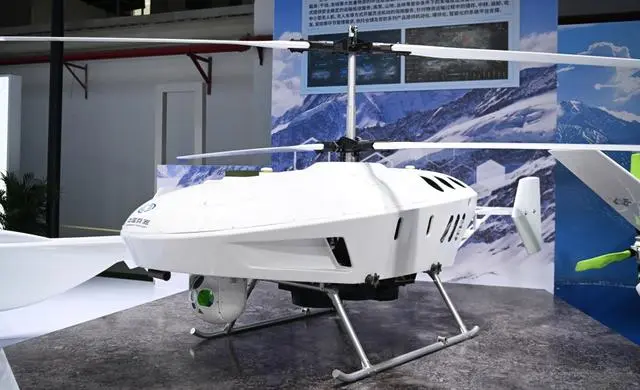
Golden Eagle CR500M UAV

Golden Eagle CR500M UAV

This is a photo taken on November 13th of the Golden Eagle CR500M unmanned helicopter system exhibited by China North Industries Group. (Photo by Xinhua News Agency reporter Deng Hua)

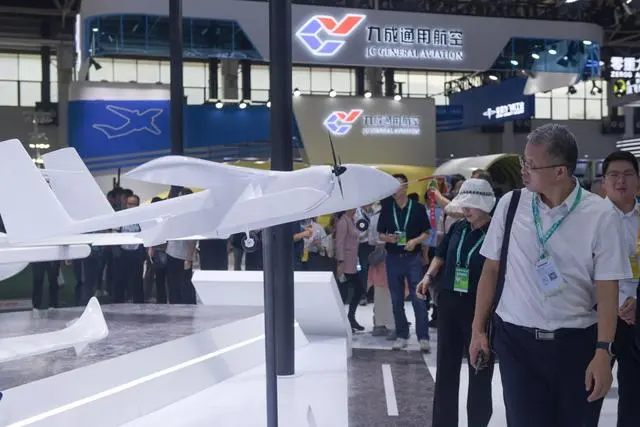
Model of ASN-Y800 heavy-load transport UAV system

On November 13th, visitors view a model of the ASN-Y800 heavy-load transport UAV system. (Photo by Xinhua News Agency reporter Lu Hanxin)

21Sep/24

Military Drone Market Driven by Conflict

Recently, a news story shocked the international military community, shaking global strategic dynamics—Israel is reportedly planning to purchase 20,000 drones. But is this true? An analysis offers some food for thought. On September 2, 2024, a brief yet powerful announcement spread quickly around the globe: “The Israeli military is procuring 20,000 drones.” Behind these few words, there seems to be a significant strategic move by the Israel Defense Forces in the realm of unmanned combat systems. But is the news authentic? Some speculate it may be a revival of a 2018 rumor circulating on platforms like Twitter, discussing Israel’s alleged intent to buy 20,000 DJI drones. Thus, this “new” news could simply be a resurfacing of old rumors, potentially driven by marketing interests or avid drone enthusiasts.

Drones: The Game-Changer in Modern Warfare

While the scale of the 20,000-unit order may be debatable, the significance of drones in warfare is indisputable. As unmanned tools, drones excel in completing high-risk missions that would be challenging for manned aircraft, such as deep reconnaissance behind enemy lines and precision strikes on high-value targets. By leveraging swarm tactics, they can also disrupt traditional combat paradigms by outnumbering adversarial forces. Moreover, drones reduce human casualties, making military operations more sustainable in the long run—because human life is priceless. Drone warfare, in this context, becomes a more accessible means of engagement.

Take, for example, the Russia-Ukraine war, which began in February 2022. Initially, Russian forces deployed small to medium reconnaissance drones for battlefield monitoring. By September 2022, Russia had imported thousands of Iranian-made Shahed-136 suicide drones and began domestic production, significantly boosting its attack capabilities. Meanwhile, Ukraine, lacking air superiority and a robust defense industry, relied heavily on NATO-supplied drones for reconnaissance and ground assaults. With increased assistance from NATO, Ukraine deployed drones in mass to gather intelligence and attack Russian command centers and artillery positions. By mid-2022, Ukraine had even launched its “Drone Army” initiative to scale domestic drone production. In 2023, Ukraine’s drone production capacity increased 130-fold, with an order of 300,000 drones. By December, Ukraine set a goal of producing 1 million drones annually and established a dedicated combat drone force.

Israel, a global leader in drone technology, has demonstrated the effectiveness of drones like the Heron, Harpy, and Hermes in various conflicts. From targeted eliminations of Hezbollah leaders to ongoing surveillance in Gaza and current battles with Hamas, drones have become indispensable to the Israeli Defense Forces.

The Global Boom in Military Drone Markets

Many Asia-Pacific nations, including Israel, are rapidly increasing their procurement of military drones, making this region one of the fastest-growing in the world, with a high compound annual growth rate. Ongoing conflicts, particularly between Israel and Hamas, as well as territorial disputes involving India, Syria, Iran, Pakistan, and Turkey, have fueled this surge in drone demand. Many of these nations have escalated defense spending to purchase reconnaissance drones, enhancing their border surveillance capabilities.

This arms race in the drone sector is inevitable under the backdrop of war and territorial disputes. The conflict between Israel and Hamas has already intensified a regional arms race, prompting neighboring countries to accelerate drone technology development. Pakistan, for example, has purchased over 48 GJ-2 drones from China. The GJ-2 is a medium-altitude, long-endurance (MALE) drone capable of carrying 12 missiles or bombs and reaching speeds of up to 380 km/h.

Meanwhile, India is also heavily investing in drone technology. At the end of 2021, India’s Army, Navy, and Air Force signed several contracts for drones, loitering munitions, and anti-drone systems worth over 5 billion rupees (approx. 439 million RMB).

On the Syrian battlefield, countries like the U.S., Russia, Israel, Turkey, and Iran have extensively deployed drones. Iran, in particular, has developed a suite of combat drones nearly on par with Western technologies. Its drones are widely used by its military and the Revolutionary Guards, providing a significant deterrent against U.S. forces. Recently, Iran supplied thousands of drones to Russia for use in the Ukraine war, including the Shahed-136.

Turkey, another major player, has exported drones to over 40 countries. By December 2023, Turkish manufacturer Baykar had signed export contracts with 33 countries, including nations in Asia, Europe, and Africa, with its Bayraktar TB-2 drone logging over 750,000 flight hours.

Global Defense Market and Rising Drone Sales

The growing demand for drones in conflict zones has also impacted global defense markets. Russia has produced over 10,000 drones and plans to manufacture an additional 50,000. Meanwhile, Ukraine is ramping up production with an ambitious target of 1 million drones. This mass production will undoubtedly influence the outcome of the Russia-Ukraine war.

In the Americas, the military drone market continues to thrive, with North America holding the largest market share in 2022. This dominance is driven by major defense contractors like Northrop Grumman, General Atomics, and Lockheed Martin. These companies have secured contracts for high-altitude long-endurance (HALE) and medium-altitude long-endurance (MALE) drones from NATO and India.

In Europe, rising awareness of the need for enhanced air, naval, and military capabilities is expected to drive drone market growth. Countries like Germany, the UK, and France are actively procuring tactical and small drones to strengthen their intelligence and reconnaissance operations.

Conclusion

Whether in the Russia-Ukraine war or the ongoing conflict between Israel and Hamas, drones are at the forefront of modern warfare. While the news of Israel’s 20,000-drone procurement may be exaggerated, it reflects a growing global focus on drones as a key element in military strategy. The outcome of this arms race and the psychological warfare it spawns may significantly reshape global military balance, rewriting the future rules of war.

At SkyeyeUAV, our drones play an essential role in civilian applications and homeland security, such as inspections, mapping, aerial transportation, and anti-smuggling operations. However, the Russia-Ukraine war has raised concerns about civilian drones being repurposed for military use. In a serious incident, the Skyeye 5000 Fixed-wing UAV was once diverted to a conflict zone. SkyeyeUAV firmly states that our drones are not intended for battlefield use, and we hope that all civilian drones can be used solely for peaceful purposes. SkyeyeUAV does not support the export of our drones to conflict zones.

03Sep/24

Current Status and Future of U.S. Navy Carrier-Based Unmanned Aerial Vehicles

In the context of the Russia-Ukraine war and the Israel-Palestine conflict, the extensive use of drones in combat has demonstrated their remarkable effectiveness. Drones have now become a hot topic for development and deployment across the globe. To bolster its maritime combat capabilities and secure air superiority at sea, the U.S. Navy has accelerated the development of various types of carrier-based unmanned aerial vehicles (UAVs), drawing widespread attention.

1. Current Status

From the perspective of platform and size, naval UAVs can be categorized into submarine-launched drones, carrier-based drones, and drone swarms that can be launched via airdrop, carrier, or coastal vehicles. The U.S. was the first country to develop and deploy drones in combat. Over the years, the U.S. military has laid out a series of specialized plans to provide long-term, comprehensive, and sustained guidance for the development of its UAVs. As a result, the U.S. military has established a UAV system that covers high, medium, and low altitudes, as well as large, medium, and small platforms, ranging from strategic to tactical levels.

As early as the 1960s, the U.S. began developing and deploying the first carrier-based unmanned anti-submarine helicopter, the QH-50, marking the origin of carrier-based drones. This initiative was part of the U.S. Navy’s “Fleet Modernization” program, primarily aimed at upgrading aging destroyers. However, when the Navy decided to abandon the old ship upgrades, the UAV development plan was also terminated, though it laid the groundwork for future carrier-based UAVs.

In the early 1980s, the U.S. Navy deployed the Israeli Mastiff light UAV on the amphibious assault ship USS Guam for aerial surveillance and reconnaissance missions, representing the early form of carrier-based UAVs. From the early 21st century, the U.S. Navy and Air Force focused on developing high-performance future unmanned combat aircraft, eventually selecting the Northrop Grumman X-47B. On May 14, 2013, the X-47B successfully conducted its first catapult launch test aboard the USS George H.W. Bush (CVN-77), marking the first time the U.S. Navy launched a large unmanned combat aircraft from a carrier, setting a new record in aviation history. The X-47B became the first stealth unmanned bomber capable of launching and landing on an aircraft carrier without human intervention, fully controlled by computers. However, the U.S. Navy later abandoned plans to deploy the X-47B on carriers due to performance issues.

Currently, the U.S. Navy has developed several relatively mature carrier-based UAV models:

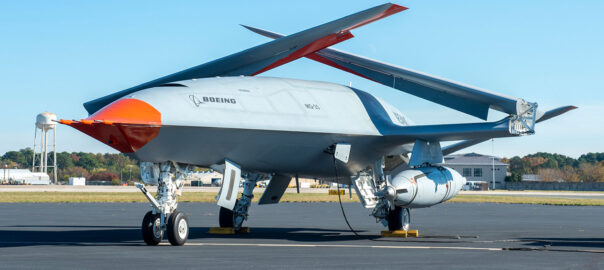
(1) MQ-25 Stingray Drone: Initially developed as an aerial refueling drone for the U.S. Navy, the MQ-25 is said to have an endurance of over 14 hours and can conduct refueling operations within a 900km range. Requiring only eight sorties per day, the MQ-25 can ensure at least four drones are airborne at any given time, significantly enhancing the operational radius and sortie rate of U.S. carrier-based aircraft. The MQ-25 features a robust, nearly triangular rear wing and is equipped with electro-optical sensors, providing limited surveillance capabilities. A wide-angle camera mounted on the aircraft’s nose aids in deck operations. The U.S. Navy has conducted multiple flight tests with the MQ-25, preparing for its operational deployment. In August 2021, the Navy announced that the MQ-25 had completed aerial refueling trials.
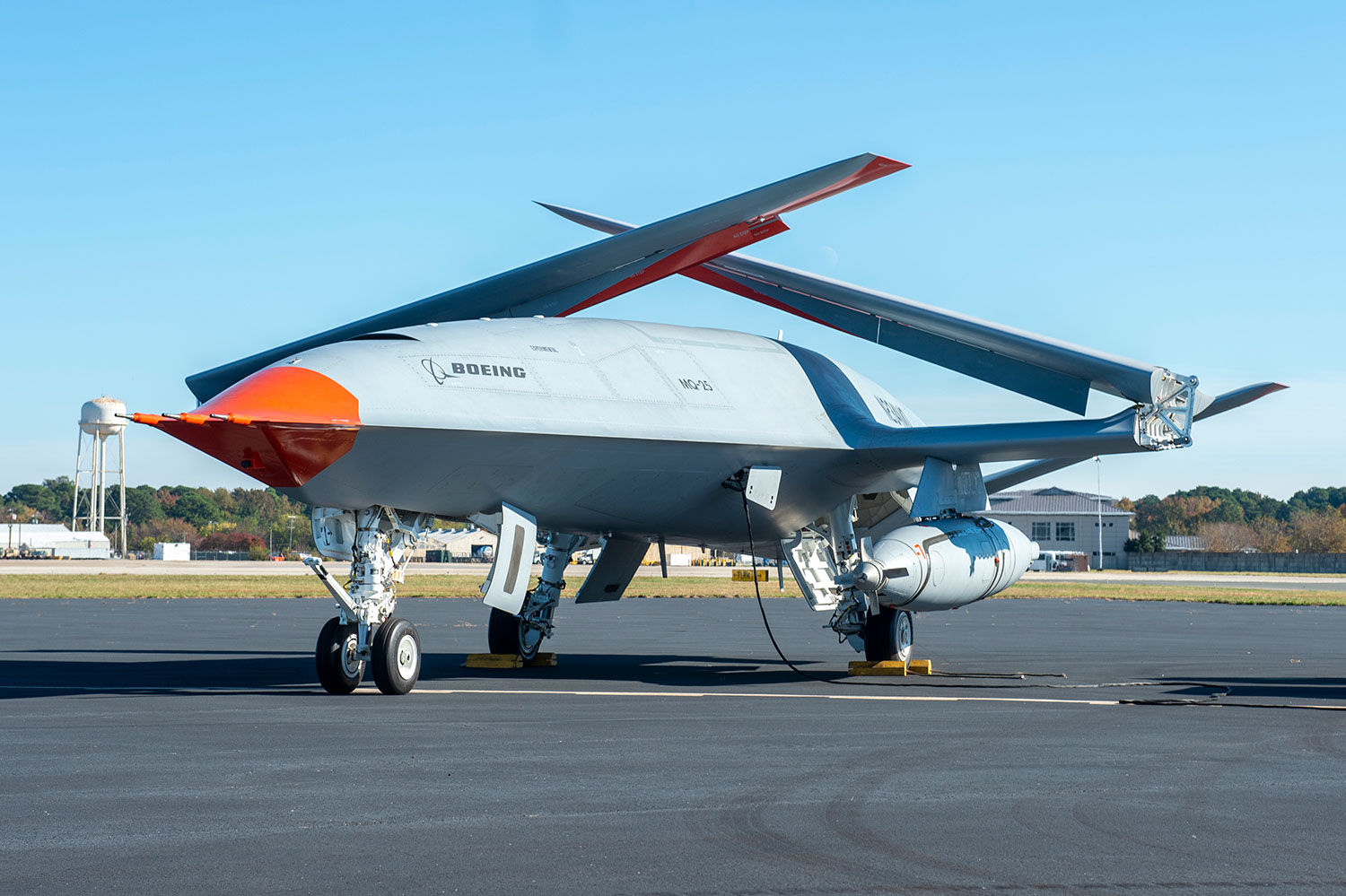
Boeing’s MQ-25 Stingray drone conducts ground testing at Chambers Field
Boeing’s MQ-25 Stingray drone conducts ground testing at Chambers Field

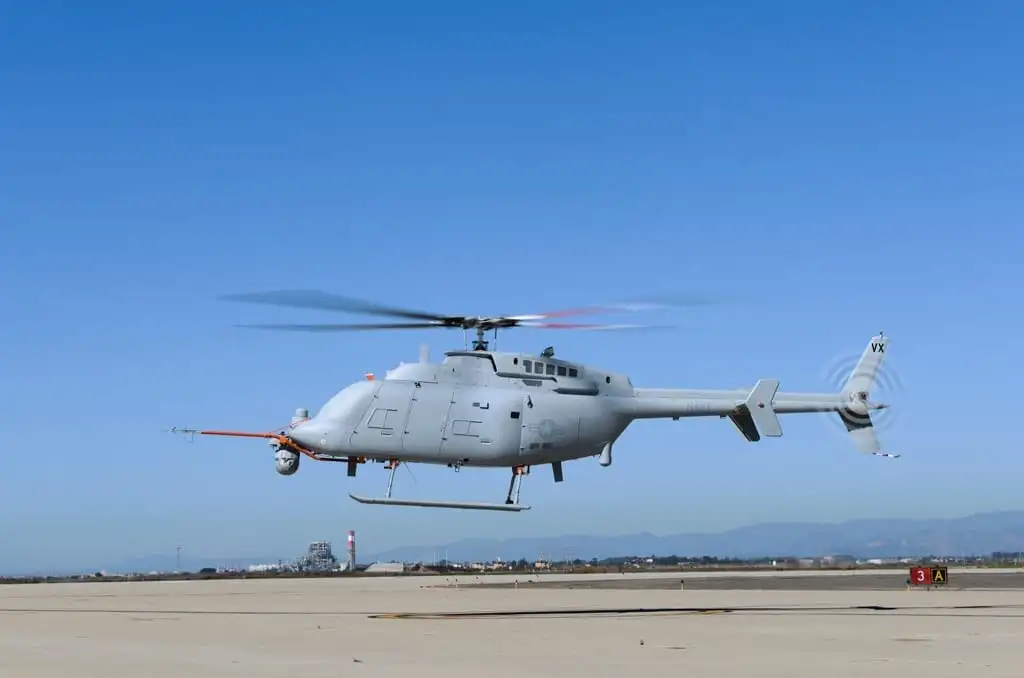
MQ-8C Fire Scout
MQ-8C Fire Scout

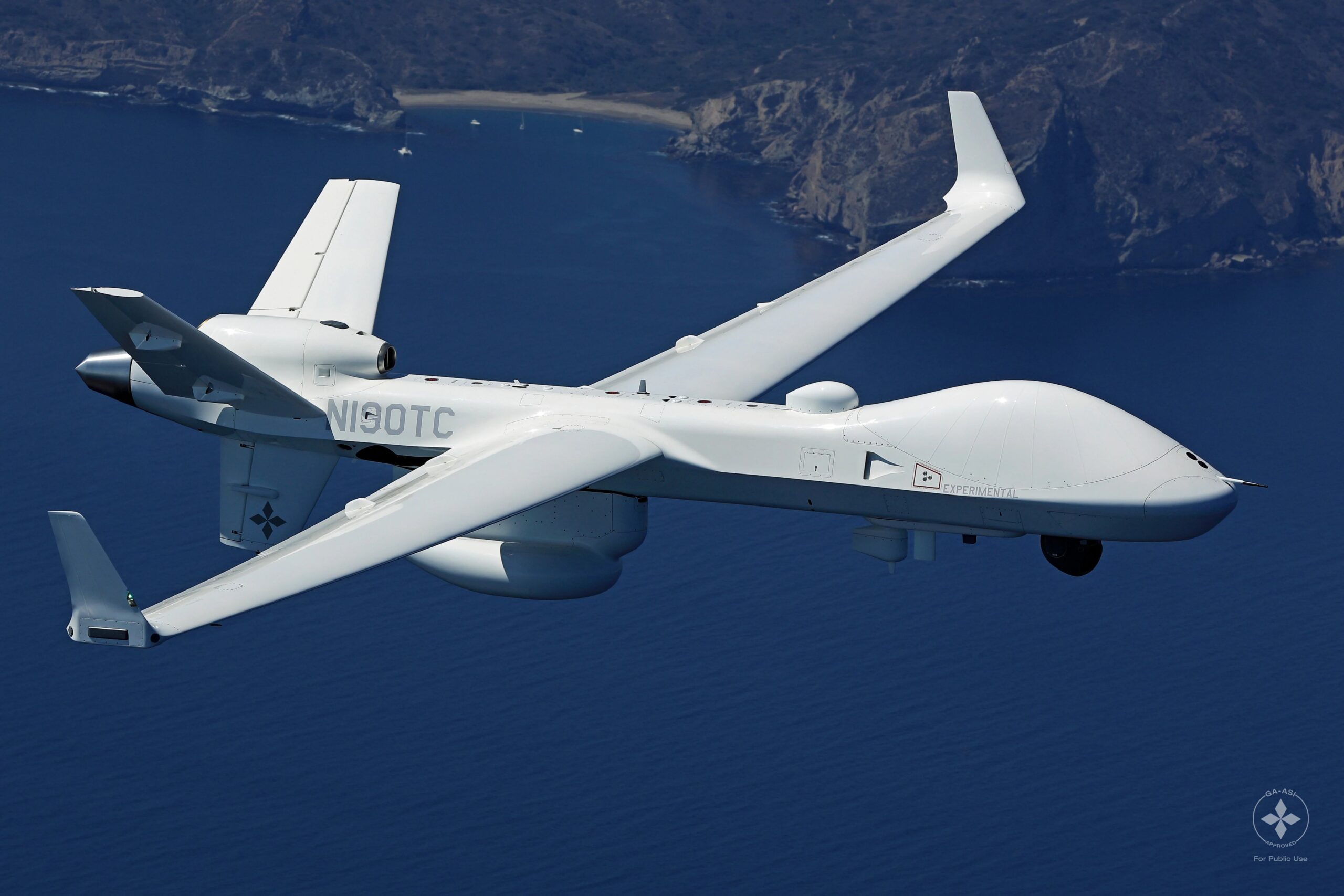
MQ-9B Sea Guardian

MQ-9B Sea Guardian

(2) MQ-8C Fire Scout: In 1998, the U.S. Navy issued a competitive demonstration program for the development of a new generation of vertical takeoff and landing tactical UAVs (VTUAV). In 2012, Northrop Grumman developed the MQ-8C based on the Bell 407 airframe, earning the recognition of the U.S. military. The MQ-8C is capable of conducting beyond-visual-range intelligence, surveillance, and reconnaissance (ISR) missions. In June 2024, the MQ-8C Fire Scout completed its first round of “dynamic interaction” tests, also known as “shipboard compatibility” tests, aboard the USS Hershel “Woody” Williams. The MQ-8C has a maximum takeoff weight of 2,700 kilograms, an endurance of 11-14 hours, and a payload capacity of 450 kilograms, allowing it to carry Hellfire missiles. The MQ-8C is currently deployed on the USS Milwaukee (LCS-5) and supports operations of the U.S. Navy’s Fourth Fleet.

(3) MQ-9B Sea Guardian: A maritime version of the MQ-9 Reaper UAV, the MQ-9B Sea Guardian is one of the latest products in the MQ-9 series, offering outstanding performance in integrated ISR and strike missions. The MQ-9B has a wingspan of 24 meters, a top speed of 370 km/h, a maximum range of over 10,000 kilometers, and an endurance of nearly 50 hours, allowing it to evade field air defenses and man-portable air defense systems. The MQ-9B’s capabilities emphasize range and endurance, making it a formidable platform for delivering devastating strikes against ground forces and light armored units using its GBU-12 laser-guided bombs and AGM-114 Hellfire anti-tank missiles.

2. Future Development

For a long time, the general approach to weapon development has been “demand-driven, technology-pushed.” To better meet future maritime and aerial combat needs, the U.S. Navy has never stopped upgrading and improving the capabilities of carrier-based UAVs, with future developments focusing on the following areas:

(1) Maximizing Combat Potential: Initially, carrier-based UAVs had limited missions. However, with evolving combat environments and advancements in network and AI technologies, the U.S. has set higher demands for these UAVs, requiring them to perform more maritime combat tasks. To this end, the U.S. Navy is continually upgrading UAVs, leveraging high-tech to fully exploit their combat potential and transform them into versatile “airborne multitaskers.”

To address shortcomings in maritime mine-clearing, the U.S. Navy is focusing on developing unmanned combat platforms, including UAVs. The Navy’s Office of Research has tested a new UAV system equipped with advanced sensors, such as magnetic locators and Sky Glass ground-penetrating radar, capable of detecting enemy minefields in shallow waters from the air. The Navy is also developing new mine detection sensor packages for the MQ-8C Fire Scout UAV to locate sea mines, landmines, and obstacles in coastal areas.

The MQ-25 Stingray, originally designed as an unmanned aerial refueling tanker to support carrier-based aircraft like the F/A-18E/F Super Hornet, will soon be equipped with Long-Range Anti-Ship Missiles (LRASM), as announced by Boeing at the 2024 Aerospace Conference. This development suggests that the MQ-25 will not only serve as a refueling and ISR platform but could also take on airstrike missions, filling the gap left by the canceled X-47B carrier-based strike drone.

The MQ-9B Sea Guardian is currently undergoing extensive upgrades, including the addition of a sonobuoy deployment system for anti-submarine warfare. Future developments may integrate advanced computing and data link technologies to enable “networked targeting,” allowing faster attack response times.

(2) Enhancing Joint Operational Capabilities: The U.S. Navy views multi-service, multi-domain, and multinational integrated joint operations as the primary combat model for the future. As a crucial component of naval equipment and an extension of maritime combat power, UAVs must be seamlessly integrated into the joint operational network to continually improve their joint operational capabilities.

The U.S. Navy has expressed a commitment to advancing unmanned systems development with a long-term goal of integrating these systems into underwater, surface, and aerial combat operations. The “2017-2042 Unmanned Systems Integrated Roadmap,” released by the U.S. Department of Defense in August 2018, emphasized the importance of integrating unmanned systems into combat networks. The Navy’s “Unmanned Campaign Framework,” released in March 2021, further called for the acceleration of integrating unmanned combat capabilities into joint operational systems, stating that “the integrated use of underwater, surface, and aerial unmanned platforms with traditional naval forces is crucial to winning future conflicts among great powers.”

Currently, the U.S. military is exploring the joint anti-submarine capabilities of the MQ-9B Sea Guardian UAV with combat ships and P-8A aircraft using the Link 16 data link. This effort aims to build a joint long-range anti-ship strike network for the U.S. Navy and its allies, connecting MQ-9s with E-2D Hawkeye aircraft. The MQ-9 is already capable of sharing maritime intelligence with anti-submarine patrol aircraft and surface ships via the Link 16 data link.

During the 2024 RIMPAC exercise, the U.S. Navy deployed the MQ-9B Sea Guardian UAV, networking it with other participating ships and aircraft using the Link 16 data link. The exercise reportedly achieved ideal results in maritime intelligence transmission and sharing. Concurrently, U.S. research institutions are actively developing collaborative combat software systems suitable for unmanned combat systems, with DARPA’s “Collaborative Operations in Denied Environments” (CODE) project garnering particular attention. This project aims to expand the capabilities of existing UAVs, with future applications on Navy unmanned platforms, enhancing the C3 “seamless integration” of unmanned and manned systems for dynamic, long-range combat missions in contested or denied environments.

(3) Increasing Unmanned Carrier-Based Aircraft Proportion: The initial purpose of developing carrier-based UAVs for the U.S. Navy was to supplement the insufficient number of carrier-based aircraft and reduce the burden and casualties among carrier-based pilots. However, combat experience has shown that UAVs offer unique battlefield advantages in reducing personnel casualties, extending combat range, executing high-risk missions, and achieving surprise in operations. With the rapid advancement of AI and computer network technologies, the status of UAVs in the U.S. Navy has risen quickly, shifting from a supporting role to a more central one.

At the “2023 Sea Air Space” conference, senior U.S. Navy officials revealed that future carrier-based aircraft might be 60% unmanned. This statement indicates significant changes in the composition of future carrier air wings. According to foreign reports, the U.S. Navy is planning to transform all surface vessels into platforms for carrier-based UAV operations, effectively making them “drone carriers.” On May 22, 2024, DARPA announced that its “Advanced No-Ground Facility Launch and Recovery Unmanned Aerial Vehicle” (ANCILLARY) project had reached a critical stage. The ANCILLARY project aims to develop a new type of vertical takeoff and landing UAV that does not require launch and recovery assistance equipment and can operate from ship decks or ground in various weather conditions. Due to its low infrastructure dependence, the Navy could convert existing surface ships into UAV carriers by making appropriate modifications, significantly increasing the number of UAVs deployed on Navy vessels and the proportion of unmanned carrier-based aircraft.

The U.S. Department of Defense believes that “unmanned” capabilities could provide naval fleets with stronger “anti-access/area denial” (A2/AD) combat capabilities. To meet the command and control needs of current aircraft carriers and future UAV carriers, the U.S. Naval Air Systems Command announced on August 15, 2024, that it had integrated the world’s first “Unmanned Aerial Vehicle Warfare Center” (UAWC) on the USS George H.W. Bush (CVN-77). This center aims to serve as the nerve center for carrier-based unmanned combat operations, controlling MQ-25 Stingray UAVs and future “Collaborative Combat Aircraft” (CCA). The Navy plans to integrate UAWCs on all Nimitz-class and Ford-class carriers, including the USS Carl Vinson (CVN-70), USS Theodore Roosevelt (CVN-71), and USS Ronald Reagan (CVN-76). Additionally, other Navy warships, particularly large amphibious assault ships, may also be equipped with UAWCs or similar control centers. As carrier-based UAVs and related equipment become increasingly widespread, the U.S. Navy’s proportion of unmanned carrier-based aircraft is expected to rise significantly, ultimately forming a “distributed” unmanned maritime combat system.

3. Challenges Ahead

Despite the considerable progress made in U.S. Navy UAV development, achieving full UAV dominance in future maritime and aerial battlefields remains a long road. The development and deployment of carrier-based UAVs still face several unresolved challenges.

(1) Multi-Service Joint Operations: Currently, U.S. Navy UAVs primarily operate on single platforms or limited joint platforms. Integrating naval UAVs into a joint operational system with other services’ UAVs in maritime and aerial combat still faces data integration challenges and does not fully meet the needs of future multi-service joint operations. Recently, U.S. Fourth Fleet Commander Jim Aiken stated at the annual Sea Air Space Expo that U.S. researchers have not yet developed the capability to integrate air, sea, and land-based UAV systems into a unified network. Several recent tests have been unsuccessful. He pointed out, “We didn’t even realize the amount of data that needs to be processed; this is one of the main issues we face today.” Aiken emphasized the need to create new tools and methods to turn isolated UAV and unmanned vessel tests into true “hybrid fleet” trials, integrating these discrete tactical elements into an organically unified combat force. The U.S. Navy aims to standardize all unmanned platforms it uses, regardless of size or operational domain.

(2) Volume and Space Constraints: As UAVs take on more missions, their payloads have increased, leading to larger UAVs. The growing size of UAVs conflicts with the limited deck space on ships, affecting parking and takeoff/landing operations. Most medium-to-large military UAVs currently require specific conditions for takeoff and landing, and some even need auxiliary equipment to complete these tasks. Failure to address parking and takeoff/landing issues could significantly limit UAVs’ operational effectiveness. Although some carrier-based UAVs have adopted foldable wings, tailless designs, and other features to reduce size and make structures more compact, and even smaller UAVs have undergone foldable modifications, the emergence of long-range, heavy-payload carrier-based UAVs has introduced new storage challenges for related ships. To maximize the effectiveness of such UAVs, more advanced storage technologies must be adopted, and UAV payload modularization should be advanced to achieve a synergistic “1+1>2” effect with manned carrier-based aircraft.

(3) Improving Flight Performance: Future carrier-based UAVs will need to operate at increasingly longer ranges and higher speeds while meeting the requirements of future maritime and aerial combat. Complex maritime conditions will also significantly impact UAV flight. Moving from the current state of “being able to fly” to “flying well” in the future will require not only advancements in command and control systems but also higher standards for UAV propulsion systems. The U.S. Navy’s ongoing ANCILLARY project faces propulsion technology challenges, as it plans to use a hybrid electric propulsion system equipped with high-density batteries or fuel cells. The challenge lies in maintaining electric propulsion and vertical takeoff/landing capabilities while overcoming the limitations of battery energy density, posing a significant test for UAV design. Larger airframes may struggle with propulsion, while smaller ones may be limited in mission execution.

(4) Environmental Adaptation: The complex and variable maritime environment presents significant challenges for carrier-based UAVs, including high temperatures, humidity, mold, and salt fog. Larger UAVs with longer ranges will carry more payloads for extended periods in these environments, requiring higher corrosion resistance in the materials used for UAV construction, as well as higher standards for payload performance and UAV flight control systems.

Conclusion

As a new combat platform, UAVs are increasingly becoming a “force multiplier” for U.S. naval power. Despite the technical challenges faced in their development and deployment, the U.S. Navy’s pursuit of “unmanned” maritime warfare will not easily waver. In the future, carrier-based UAVs in the U.S. Navy are likely to transition from a supporting role to the primary force in securing air superiority at sea.

03Sep/24

Has the Success of Attack Drones Signaled the End for Armed Helicopters?

Lessons from the Russia-Ukraine Conflict: Has the Success of Attack Drones Sounded the Death Knell for Armed Helicopters?

The success of attack drones and the failure of armed helicopters on the Ukrainian battlefield may not have sounded the death knell for rotorcraft, but they certainly warrant a reassessment.

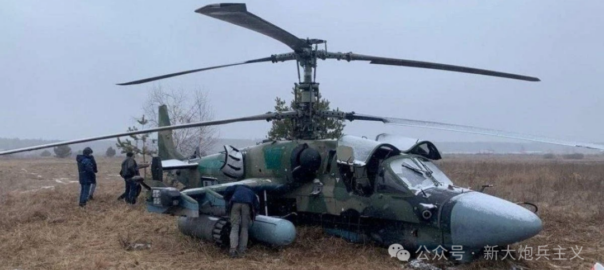
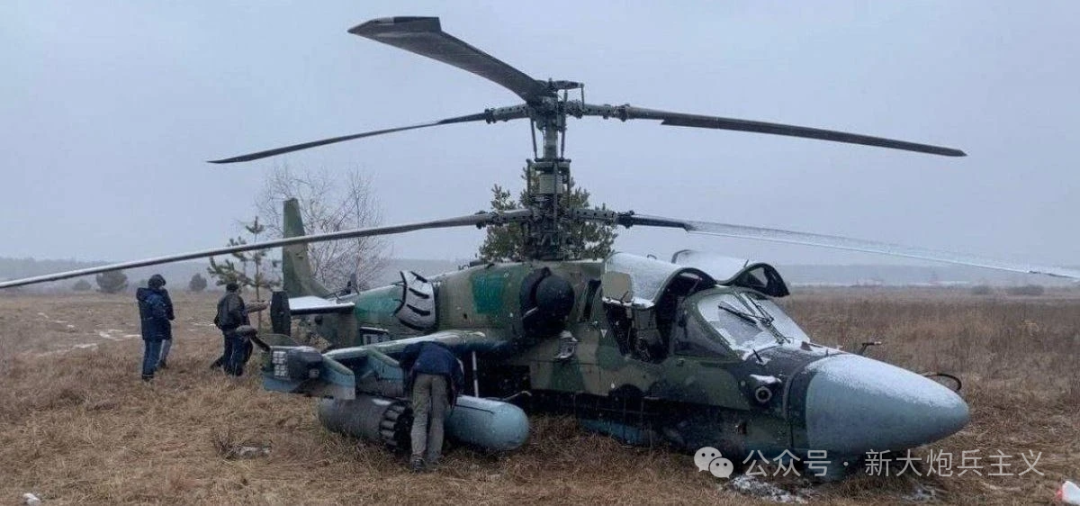
a damaged Russian Ka-52 attack helicopter was shot down in Ukraine

a damaged Russian Ka-52 attack helicopter was shot down in Ukraine

In April 2022, a damaged Russian Ka-52 attack helicopter was shot down in Ukraine. Photo: X (formerly Twitter)

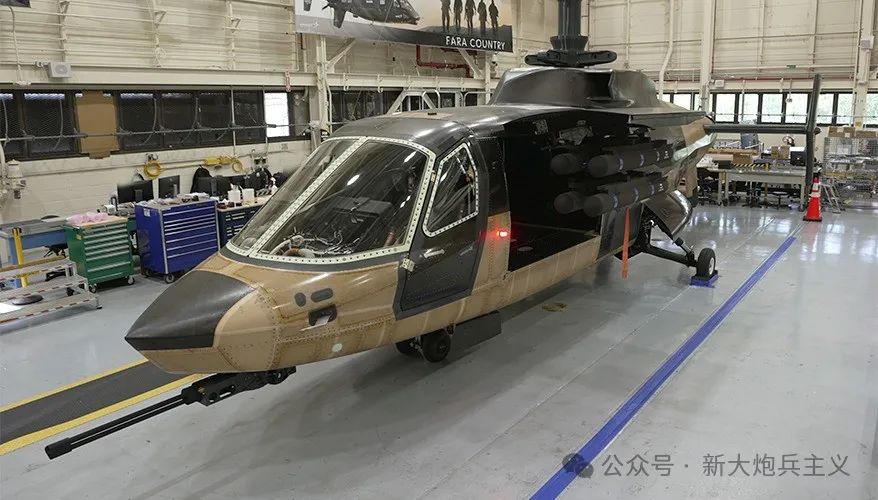
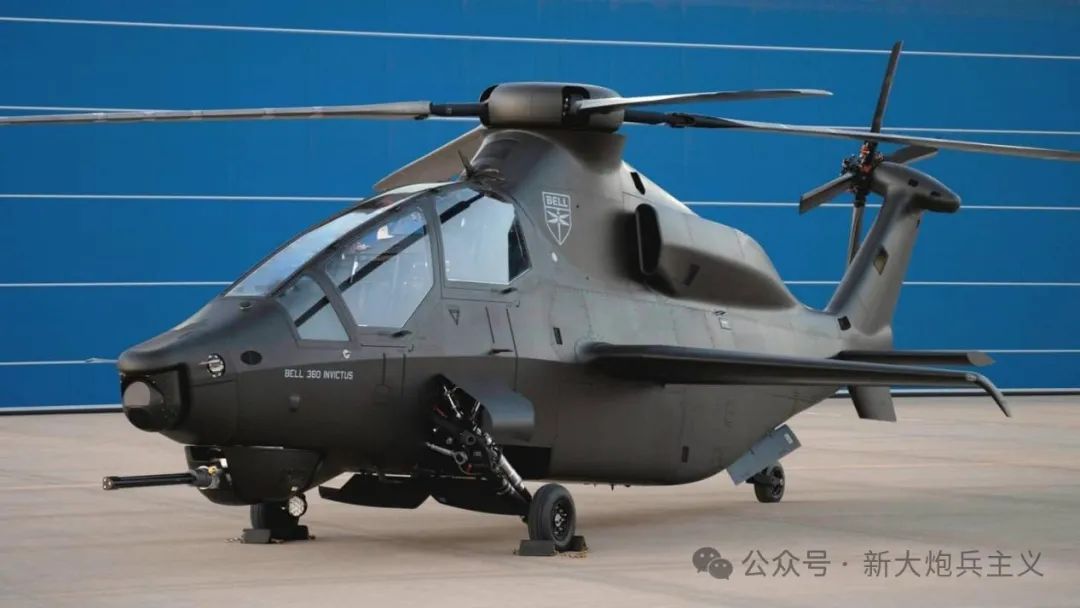
In February 2024, following the cancellation of the helicopter-based Future Attack Reconnaissance Aircraft (FARA) program and the announcement to cease production of the UH-60V Black Hawk by 2025, U.S. Army Chief of Staff General Randy George stated, “We are learning from the battlefield—especially in Ukraine—that aerial reconnaissance has fundamentally changed.” He added, “Sensors and weapons mounted on various unmanned systems and in space are more widespread, far-reaching, and cost-effective than ever before.”

At the same press conference, U.S. Army Futures Command General James Rainey remarked, “We are absolutely watching (events in Ukraine and Gaza) and adjusting, because we could be at war tonight, this weekend.” This announcement marks a significant reevaluation of the role helicopters previously played on modern battlefields as platforms for reconnaissance, combat, transport, and logistics.

What makes this reassessment even more noteworthy is that the FARA program was in its final phase after nearly two decades of searching for a replacement for the Bell OH-58 “Kiowa” observation, general-purpose, and direct fire support vehicle. It had reached the stage where the final shortlisted bidders, Sikorsky and Bell, were ready to test and evaluate prototypes: the Bell 360 and Sikorsky “Raider X.”

Sikorsky Raider X

Sikorsky Raider X

Bell 360

What prompted this sudden change in direction? Military commentator David Axe wrote in The Daily Telegraph when the U.S. Army made this announcement, “There’s been an absolute massacre among helicopter pilots on both sides… Helicopters are dying, and the Ukraine war is killing them.” Axe’s assessment was supported by data provided by the open-source analysis site Oryx and the International Institute for Strategic Studies (IISS). These figures indicated that Russia lost nearly 40% of its attack helicopters, including its latest Ka-52s (NATO: Hokum), and nearly 20% of its transport fleet, while Ukraine lost more than half of its already much smaller rotary-wing force.

The reason lies in the fact that military planners had not experienced a conventional war of the scale and scope triggered by Russia’s full-scale invasion of Ukraine. In particular, military strategists on both sides underestimated the impact of land-based air defenses on the modern battlefield. Former Ukrainian Defense Ministry advisor Serhiy Kuzan noted that the heavy losses and eventual failure of Russia’s massive helicopter assault on the Antonov Airport near Hostomel fully demonstrated this lesson. The operation during the first week of the offensive was intended to be the vanguard for an assault on the Ukrainian capital, less than 30 kilometers away. The Russian operation to seize Antonov Airport, also known as Hostomel, northwest of Kyiv, ended in complete disaster.

Douglas Barrie, a military aerospace consultant at the International Institute for Strategic Studies, told Defense News that the vulnerability of attack helicopters led to significant casualties, prompting Russian forces to change tactics and use long-range standoff weapons such as the Kh-39 air-to-surface missile—yet losses continued.

What Can Drones Offer That Helicopters Cannot?

The cancellation of FARA may free up billions of dollars for investment in Unmanned Aerial Vehicles (UAVs)—simply put, drones—many believe that, based on the experience in Ukraine, this will transform the battlefield. General Rainey believes that military aviation will still see pilots in the cockpit for the foreseeable future. He stated during the FARA announcement, “The requirement to conduct reconnaissance and security remains absolutely valid,” but ultimately it comes down to “how much risk you’re willing to take.” This will help determine whether manned or unmanned is the best solution.

The U.S. and other nations are focusing on developing Unmanned Combat Aerial Vehicles (UCAVs). They will perform all the functions helicopters once did: intelligence gathering, surveillance, target acquisition, and reconnaissance (ISTAR), as well as carrying air-to-air and air-to-ground missiles, and Anti-Tank Guided Weapons (ATGW). These drones are currently under real-time human control, but advancements in artificial intelligence will soon enable them to operate semi-autonomously or even fully autonomously in the future.

The kamikaze drones that once wreaked havoc on the Ukrainian battlefield will have a place, but future generations may also be AI-driven, launched in swarms from shipborne drones—what the U.S. Army refers to as “launch effects.”

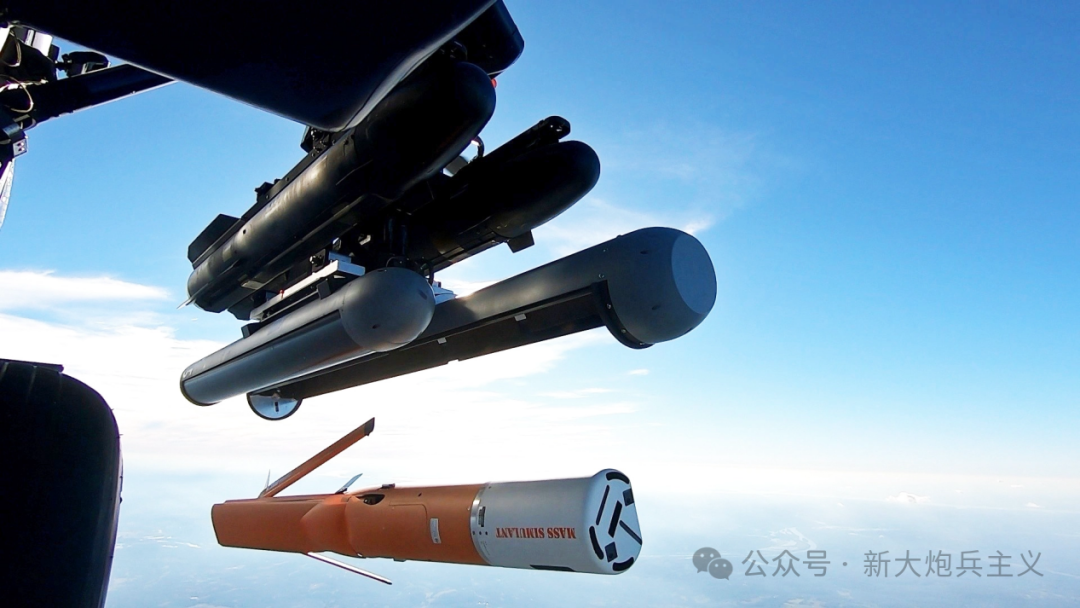
In December 2023, the Altius 700 drone conducted its first flight demonstration from a UH-60 Black Hawk helicopter. Photo: David Hylton

In December 2023, the Altius 700 drone conducted its first flight demonstration from a UH-60 Black Hawk helicopter. Photo: David Hylton/U.S. Army

And What About Helicopters?

Despite Axe’s grim assessment, rotorcraft are not yet obsolete, but their role will and must change in the future. By using long-range standoff weapons, like those employed by Russia, attack helicopters will become more survivable—in effect becoming air-launched tube-integrated unmanned systems like the Altius 700, a prototype “launch effects” drone dispenser currently being tested, mounted on the UH-60 Black Hawk helicopter. Helicopters can also serve as airborne controllers and relay stations for drones, extending and supplementing their operational range.

Helicopters may continue to play a crucial role on the battlefield as platforms for logistics, transport, troop insertion, and medical evacuation in hard-to-reach areas—although these roles may eventually be taken over by drones. Meanwhile, as General Rainey put it, “The future will depend on who can effectively integrate humans and machines correctly.”

So, while the emergence of new heavy armed platforms may be controversial, these new platforms resemble “aerial weapons platforms,” primarily relying on large fuel and weapon loads to maintain air superiority over the battlefield during cross-sea landing operations and using long-range weapons to strike armored targets in enemy counterattack forces. And after all, the Americans haven’t retired the Apache, have they?

31Aug/24

Bulgaria Begins Mass Production of SAMJET Loitering Munition

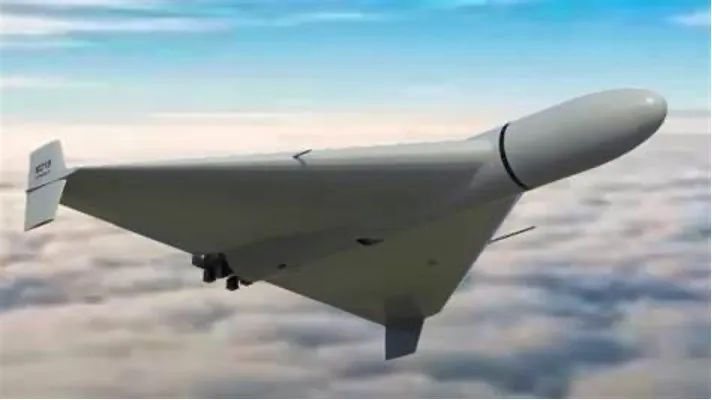
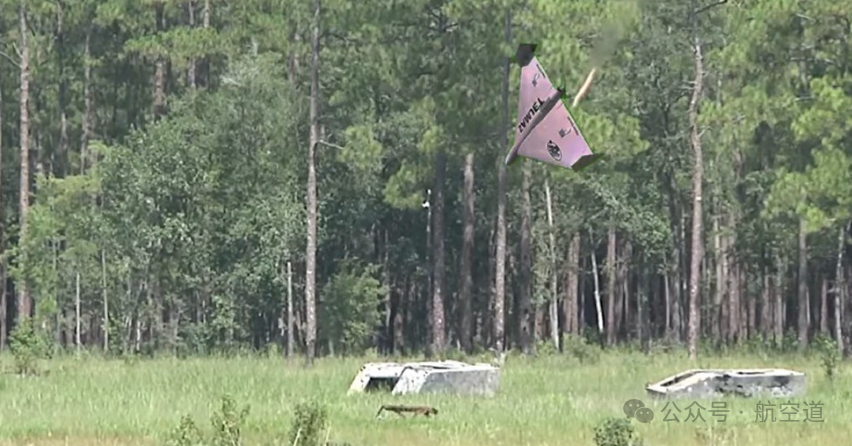
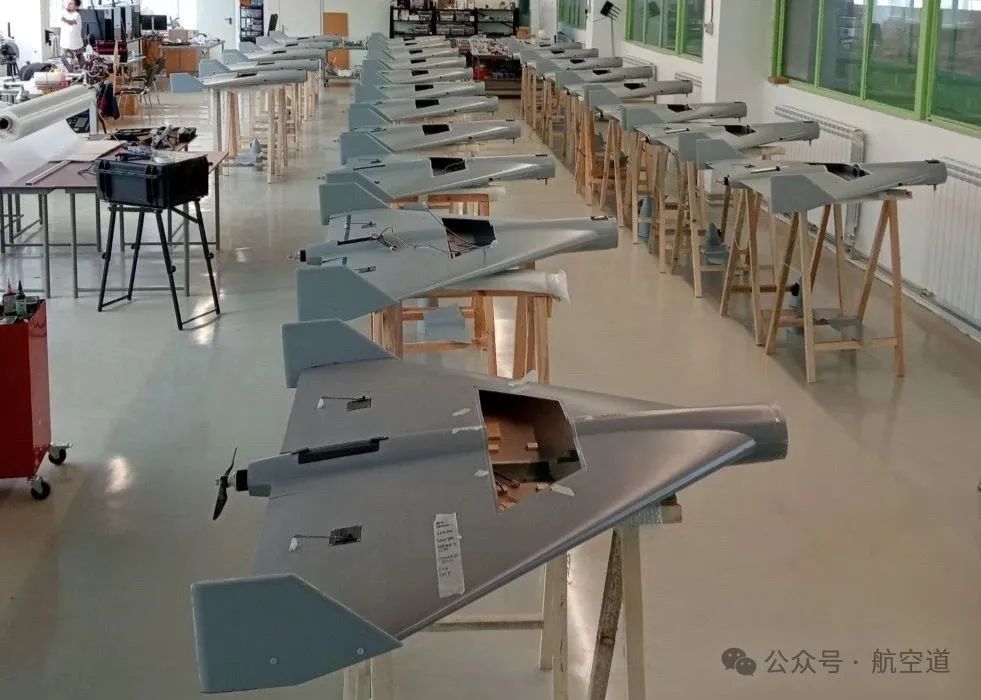
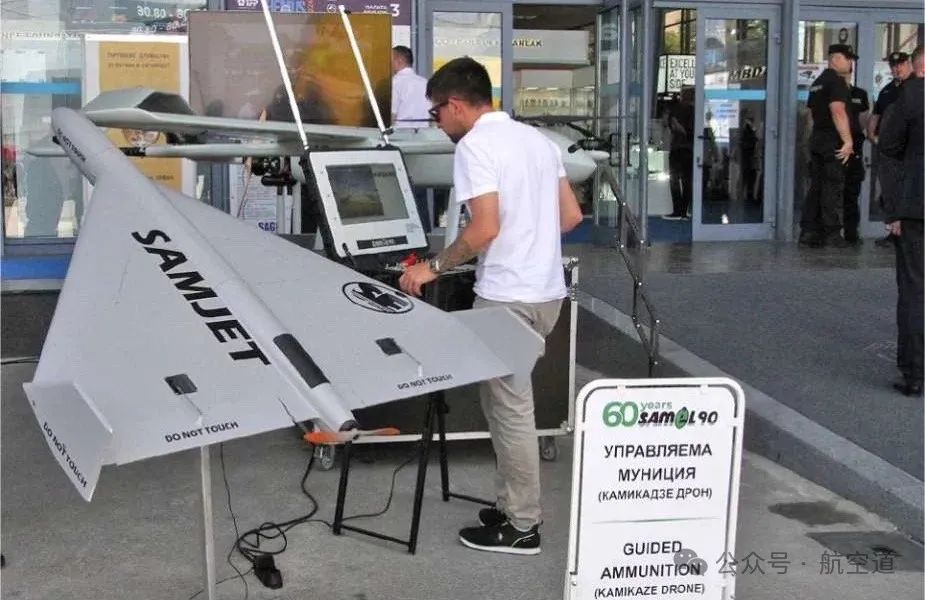
In June 2024, during the HEMUS 2024 International Defence Exhibition in Sofia, Bulgaria, the Bulgarian company Samel-90 unveiled the design of its SAMJET loitering munition. The design of the SAMJET closely resembles other well-known delta-wing loitering munitions such as Iran’s Shahed-136, Israel’s Harpy, and China’s ASN-301. By August 2024, Samel-90 announced the beginning of large-scale production of the SAMJET loitering munition, a move driven by the growing global demand for such weapons. This type of suicide drone has proven highly effective in the ongoing Russia-Ukraine conflict, often significantly influencing the battlefield.

SAMJET: A New Force in Modern Warfare

Developed and designed by Samel-90, the SAMJET loitering munition is tailored for strike missions. Its design is notably similar to Iran’s renowned Shahed-136, featuring a unique delta-wing configuration that enables efficient high-speed flight while maintaining stability. This design choice also results in a low radar signature, making the SAMJET difficult to detect and intercept.

The SAMJET, like the Shahed-136, is constructed from lightweight materials, giving it a compact, streamlined shape. It houses essential components such as guidance systems, explosives, and fuel. Capable of carrying a 5-kilogram payload, it offers options for both cumulative and thermobaric warheads, allowing for powerful and precise strikes.

To assist in takeoff, the SAMJET utilizes two small rocket engines mounted on the underside of the fuselage. A rear-mounted pusher propeller, similar to that of the Shahed-136, provides the drone’s primary propulsion. This configuration enables the SAMJET to achieve high speeds and enhances its maneuverability during flight. The SAMJET can fly at speeds ranging from 120 to 250 kilometers per hour, with a range of several hundred kilometers. Its endurance ranges between 60 to 120 minutes, depending on factors such as external conditions and the need for evasive maneuvers.

Advanced Capabilities for Modern Conflict

Designed to be easy to use and rapidly deployable, the SAMJET features fully autonomous takeoff capability, assisted by rocket engines, eliminating the need for assembly or complex preparation before launch. This makes it especially suitable for fast-paced combat scenarios.

During flight, the SAMJET’s position is tracked and displayed on a map, while a forward-facing camera provides real-time video feed. The camera is stabilized on three axes and can be controlled for movement and zoom, allowing operators to identify and confirm targets before initiating the final strike. Remote control is facilitated via a portable interface, either handheld or vehicle-mounted. The drone can store pre-programmed GPS coordinates, enabling it to reach its target without manual navigation. These capabilities ensure high precision and effectiveness, reducing the likelihood of collateral damage.

Samel-90 has emphasized that the SAMJET is fully designed and produced in Bulgaria. The company plans to submit the SAMJET to the Bulgarian Ministry of Defense in the coming months and intends to offer it for export. While Samel-90 has stated that the drone is already in service abroad, no details were provided regarding the operators or countries involved.

Samel-90’s Legacy and Future Vision

Samel-90 has a long history in Bulgaria’s defense industry, dating back to the 1960s, and is well-known for producing electronic warfare systems, communication technologies, and other military equipment. The introduction of the SAMJET marks a significant step for Samel-90 as the company recognizes the growing importance of drones in modern warfare.

Samel-90’s launch of the SAMJET reflects broader trends within the global defense industry, where loitering munitions are increasingly becoming central to military strategy. With its high speed, endurance, and precision targeting capabilities, the SAMJET is expected to become a valuable asset for armed forces seeking to enhance their capabilities with advanced drone technology. Samel-90’s entry into this field underscores its commitment to innovation and its responsiveness to the evolving demands of modern warfare.

SAMJET Loitering Munition Carries Out Strike Missions

SAMJET Loitering Munition Carries Out Strike Missions

SAMJET Loitering Munition

SAMJET Loitering Munition

The SAMJET Loitering Munition is Designed and Developed by the Bulgarian Defense Company Samel-90

The SAMJET Loitering Munition is Designed and Developed by the Bulgarian Defense Company Samel-90

12Aug/24

Drones to Undertake First High-Altitude Waste Transport Mission on Mount Everest

Nepal’s The Kathmandu Post reported on August 4th that this fall, Nepal will deploy heavy-duty drones to transport waste from Mount Ama Dablam, located south of Mount Everest at an altitude of 6,812 meters. This will mark the first commercial operation of unmanned aerial vehicles (UAVs) in Nepal’s high-altitude regions.

These heavy-duty drones, produced by Chinese drone manufacturer DJI, will take on tasks traditionally performed by Sherpas. Officials believe this will help reduce the number of casualties on Mount Everest.

On August 4th, the Sagarmatha Pollution Control Committee of Nepal, Khumbu Pasanglhamu Rural Municipality, and skyeyeuavlity technology company signed a tripartite Memorandum of Understanding (MoU) to utilize advanced drone technology for effective waste management in the local mountainous regions.

In April of this year, DJI conducted the world’s first drone delivery test on Mount Everest. The results showed that their heavy-lift drones could transport supplies between Camp I and the South Base Camp. (People’s Daily: Chinese civil drones complete a test for material transport at an altitude of 6,000 meters on Mount Everest, with a stable load capacity of 15 kg.)

While U.S. lawmakers are pushing to ban Chinese drones, Nepali officials and climbers view these drones as life-saving tools. Traditionally, local Sherpa guides are responsible for transporting supplies and cleaning up waste on Mount Everest. They may have to cross the Khumbu Icefall more than 30 times in a season, carrying items such as oxygen cylinders, gas canisters, tents, food, and ropes.

Climbers and guides alike must navigate the notoriously dangerous Khumbu Icefall on their way to the world’s highest peak. As temperatures rise during the day, hanging glaciers melt, ice layers fracture, and the risk of avalanches increases. Even the most experienced Sherpas hesitate to cross the icefall under sunny conditions. Local Nepali official Bhusal said, “Using drones will help us avoid the dangers of the Khumbu Icefall.”

The Khumbu region has strict regulations on the weight of materials that can be transported. According to local government rules, personnel working in high-altitude areas can carry no more than 20 kg between 5,000 and 6,000 meters, 17 kg between 6,001 and 7,000 meters, 14 kg between 7,001 and 8,000 meters, and 12 kg above 8,000 meters. During the trial phase, the drones managed to carry up to 30 kg at Camp I, but this capacity decreased to 18 kg at Camp II.

Bhusal stated, “There are concerns that machines might reduce human jobs. However, our sole purpose is to reduce the potential death toll from crossing the Khumbu Icefall. We will train Sherpas, as drone operators cannot complete the tasks at higher camps. In the future, these jobs will be handled by Sherpas.”

In related news, DJI and People’s Daily previously reported that in April 2024, DJI’s transport team, equipped with the DJI FlyCart 30 (FC30), conducted a transport test in the southern region of Mount Everest in collaboration with 8KRAW and local Nepali partners. This marked the first round-trip transport test at altitudes between 5,300 meters and 6,000 meters, setting a record for the highest civilian drone transport. Following the successful test, a local Nepali drone operator initiated regular transport operations in the Everest region on May 22, focusing primarily on cleaning up residual waste on the southern slope of Mount Everest.

It is worth noting that DJI’s domestic partners are also promoting the application of the FC30 on other well-established commercial climbing routes, such as Mount Namcha Barwa and Gongga Snow Mountain.

16Jul/24

DJI’s Breakthrough in High-Altitude Drone Transport on Mount Everest


DJI recently announced its first high-altitude drone transport test on the southern slope of Mount Everest. This marks the first round-trip transport test for drones at altitudes ranging from 5,300 meters to 6,000 meters, setting a new record for civil drone transportation. This test provided valuable data and experience for the next steps towards large-scale, routine use of drones in high-altitude transport. As a promoter of broader applications of drone transport solutions, DJI, in collaboration with partners, is advancing the routine use of transport drones in high-altitude regions to support high-altitude mountaineering, emergency rescue, and environmental protection efforts.

FC30 Completes World’s First Drone Transport Test on Mount Everest

DJI’s FC30 transport drone was officially launched in August 2023 and has since been applied in dozens of countries and regions worldwide. Its intelligent, safe, and cost-effective transport solutions have been recognized by users, helping to solve transport challenges in various scenarios such as mountainous regions, coastal bases, emergency situations, and logistics. From April 25 to May 1 this year, DJI’s transport drone team overcame challenges such as high-altitude reactions, short mountaineering windows, and complex and variable climate and terrain conditions to conduct a week-long high-altitude flight and transport capability test above Everest’s southern base camp (5,300 meters) and higher altitudes. The test effectively validated the drone’s high-altitude adaptability for hovering, no-load flying, and load-carrying flying, setting a new civilian transport drone flight record of 6,191.8 meters and a high-altitude, 15-kilogram load round-trip transport record at 6,000 meters.

Tests confirmed that in temperatures of minus 5°C and wind speeds of 15 meters per second (equivalent to level 7 wind), the FC30 can stably fly at around 6,000 meters without any modifications and can carry a load of 15 kilograms. In a 15-kilogram load transport mission with a route length of 2.7 kilometers and an altitude gain of 700 meters, the drone still had 43% battery remaining after a round trip. The power margin under extreme climbing conditions still exceeded 20%, and the power system performance remained stable with room for altitude increase. This is the world’s first drone transport test completed under natural high-altitude conditions and real mountaineering conditions at 6,000 meters. The test, initiated by DJI, received support from Nepalese drone operator Airlift, professional imaging team 8KRAW, and Imagine Nepal mountaineering company. After solving a series of issues such as flight permits, equipment transport, and route planning, the transport test was successfully completed.

Enhancing Product Design for Extreme Scenarios

It’s worth noting that the FC30 was optimized for various extreme scenarios during its product design phase. During the recently concluded 40th Antarctic expedition, the FC30 also passed the test of Antarctica’s frigid climate and harsh environment on drone flight performance, demonstrating stable flight capabilities and reliability, significantly improving the efficiency and flexibility of scientific expedition operations. Before the Everest region test, extreme validation was also conducted in the Shigatse region of Tibet at 6,000 meters altitude.

Establishing a 2.7-Kilometer Aerial Transport Route Over the “Terrifying Icefall”

Every year from late April to mid-May is the best window for climbing Mount Everest from the Nepal side. To complete the on-site transport test of the FC30 within this window and accumulate experience for routine transport, DJI’s transport team decided to focus on the transport section from the southern base camp to Camp 1 this year. This route includes the world’s highest icefall—Khumbu Icefall, the first major obstacle in climbing Everest from the south, known for its complex and dangerous terrain.

“People often describe it as deadly and unpredictable,” said Mingma G, a renowned local Nepalese mountaineering guide. The Khumbu Icefall’s complex conditions, with crisscrossing crevasses, result in mountaineers and Sherpa guides losing their lives almost every year.

Although helicopter transport is supported in the Everest region to reduce the number of trips needed to transport supplies, issues such as altitude and weather often result in untimely dispatches, inability to fly, inability to land, or high costs. Transport drones offer significant advantages in these areas, providing quicker, more flexible solutions for supply transport and emergency rescue.

DJI FC30 Completes World's First Drone Transport Test on Mount Everest with a 15-Kilogram Payload

DJI FC30 Completes World’s First Drone Transport Test on Mount Everest with a 15-Kilogram Payload

DJI FlyCart 30 Drone. Source: DJI Official Website

DJI FlyCart 30 Drone. Source: DJI Official Website

The round-trip flight of DJI FC30, carrying 15 kilograms of mountaineering equipment, took a total of 12 minutes. The operation was stable, with 43% battery remaining.

The round-trip flight of DJI FC30, carrying 15 kilograms of mountaineering equipment, took a total of 12 minutes. The operation was stable, with 43% battery remaining.

The extensive mountaineering activities have generated a large amount of waste, including human excrement and difficult-to-degrade residual trash. DJI's successful drone flight test offers an excellent solution to address the waste problem.

The extensive mountaineering activities have generated a large amount of waste, including human excrement and difficult-to-degrade residual trash. DJI’s successful drone flight test offers an excellent solution to address the waste problem.

DJI engineer Jiang Jianmin recalled that after a series of flight tests, including near-ground hovering at 5,300 meters without a load, climbing to 6,191 meters without a load, hovering at 5,300 meters with a 10-kilogram load, and hovering at 6,000 meters with a 10-kilogram load, the team began to establish an aerial transport route over the Khumbu Icefall from the southern base camp.

With the drone unloaded, a signal-free point was identified near Camp 1 above the Khumbu Icefall. After determining the target point, the route was planned, and 15 kilograms of mountaineering equipment (including three oxygen bottles weighing 4.5 kilograms each and 1.5 kilograms of miscellaneous items) were lifted. Flying at a speed of 15 meters per second, the drone transported the package across the Khumbu Icefall to near Camp 1 and used an aerial lifting system for one-click delivery. After the package was released and collected by ground personnel, the drone carried 15 kilograms of garbage and returned along the same route, completing the round trip in 12 minutes with 43% battery remaining.

Mingma G revealed that Sherpa guides typically spend about 6-8 hours crossing the Khumbu Icefall, carrying a maximum load of 15 kilograms each time. Last year, three Sherpa guides in his team lost their lives in the Khumbu Icefall. DJI’s transport drone can transport 15 kilograms of supplies between camps in just 12 minutes, day or night, providing a new solution to reduce casualties. “The drone test on Everest was very effective. This means that soon, we can use drones to transport equipment to Camp 1 day or night and use drones to bring down all the remaining garbage and waste from the upper camps. We don’t have to cross the icefall frequently at night, and we don’t have to endure the cold. It will undoubtedly help save more lives.”

Accelerating Routine High-Altitude Transport

In recent years, the high-altitude climbing industry has been booming, with a growing number of climbers worldwide. Along with climbers’ safety and rescue issues, environmental pollution problems have also increased.

Taking climbing from the southern side of Everest as an example, according to Nepal’s Ministry of Tourism, 414 climbers have obtained permits for climbing from the south side in 2024. The large number of climbing activities generates a significant amount of waste, including human waste and difficult-to-degrade residual garbage. Efforts are being made to find better solutions to this problem. DJI’s Senior Director of Corporate Strategy and spokesperson, Zhang Xiaonan, stated that the use of DJI transport drones on Everest demonstrates the value of the technology and product. More importantly, it provides valuable flight parameters for ultra-high altitude areas, laying a solid foundation for the use of this type of drone in plateau regions. “Today, on World Environment Day, we hope that drones can not only provide material transport security for commercial mountaineering, reducing accidents, but also reduce environmental damage from mountaineering activities through drone garbage transport solutions, protecting Everest and the natural environment.”

According to reports, the application of FC30 in the Everest region has been highly recognized by local authorities, commercial climbing organizations, and operating companies in Nepal. The local operating company in Nepal, commissioned by the local government, officially launched the routine transport project for drones in the Everest region on May 22, focusing on clearing residual garbage on the southern slope of Everest, one climbing season ahead of schedule. In addition, DJI’s transport partners in China are also promoting the application of FC30 in established commercial climbing routes such as Namcha Barwa and Mount Gongga.

The accelerated routine transport of drones in high-altitude areas may usher in a new era of high-altitude mountaineering and rescue, contributing to environmental protection and the sustainable development of the mountaineering industry.